Let’s be honest — most of us don’t give our tap water a second thought. We fill a glass, wash our veggies, shower, do laundry, and just expect it to work. But what if the very water you trust every day is quietly wrecking your pipes, your skin, your appliances — and maybe even your long-term health?
This isn’t fearmongering. It’s just a nudge. Because once you start noticing the signs — stiff laundry, strange film on dishes, dry skin after showers — you can’t unsee them. And that’s usually when the question pops up: “Is something wrong with my water?”
Let’s Talk About Hard Water (It’s Not Just a Buzzword)
You’ve probably heard people throw around the term hard water. It sounds… weirdly tough, right? In reality, it just means your water contains a higher concentration of dissolved minerals, primarily calcium and magnesium. And while that might sound harmless (minerals! good stuff, right?), hard water is the sneaky culprit behind a host of everyday annoyances.
- The Quiet Difference Better Water Can Make in Your Home
- When Water Stops Feeling Neutral: Rethinking What Flows Through Your Home
- When Plumbing Problems Feel Personal: Finding the Right Help Without the Stress
- The Quiet Fixes That Make a Home Feel Warmer, Tighter, and More Thoughtful
- When Your Water Tells a Story: Solving Iron Stains, Rotten Egg Smells, and That Pool-Like Taste
Ever noticed chalky residue on your faucets? That’s limescale buildup. What about brittle hair, itchy skin, or soap that just doesn’t lather like it should? Yep, hard water again. It even reduces the efficiency of your water heater and shortens the life of your appliances. It’s like death by a thousand mineral-packed cuts.
Here’s the thing: if you’re on well water or even certain city systems, you’re probably dealing with hard water — whether you realize it or not.
The Invisible Threat in Your Water: Let’s Not Ignore PFAS
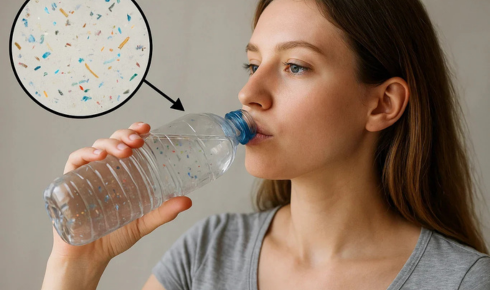
Now, while hard water causes visible, tangible problems… there’s a darker side to water quality that’s much harder to detect — and far more dangerous.
Enter PFAS. Known casually as “forever chemicals,” PFAS (short for per- and polyfluoroalkyl substances) are man-made compounds used in everything from non-stick cookware to waterproof jackets. They don’t break down easily in the environment — or in your body. And that’s the problem.
These chemicals have been linked to a wide range of health concerns: hormonal disruptions, developmental issues in children, lowered immune responses, and even some cancers. Scary? Absolutely.
Here’s the kicker: PFAS are incredibly good at hiding. You won’t taste them, smell them, or see them. That’s why smart households are now asking about PFAS removal— not just filtration. Because while a basic filter might trap dirt or chlorine, it takes advanced tech to deal with PFAS effectively.
And no, boiling the water won’t help. If only it were that easy.
So What Can You Actually Do About It?
This is where people usually hit the wall. You start googling solutions and suddenly you’re knee-deep in water softener jargon, reverse osmosis systems, UV sterilizers, activated carbon filters — it’s a lot.
But here’s some good news: You don’t have to become a water chemist to fix your water.
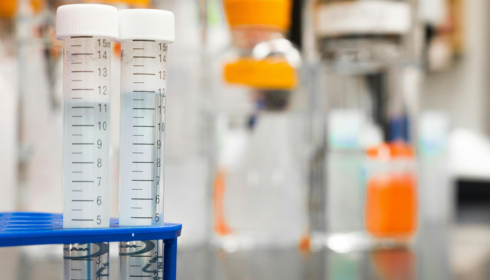
The first step? Testing. A professional water test will give you a full rundown of what’s actually in your water. Mineral levels, contaminants, PFAS — all of it.
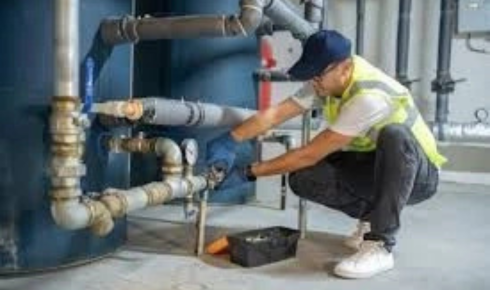
And once you know what you’re dealing with, it’s time to bring in the people who live and breathe this stuff — the ones who’ve trained for it, certified for it, and can help you without confusing you.
Because let’s face it, there’s a big difference between buying a big-box filter off the shelf and having a system tailored to your actual water issues by certified technicians who know what they’re doing. That word — certified — matters more than you might think.
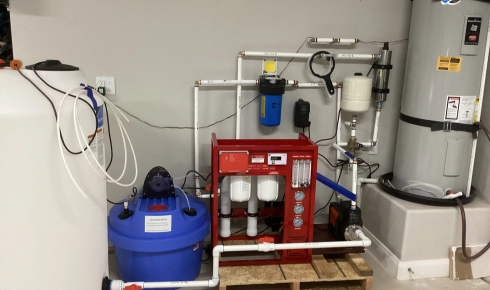
They’ll help you sort between ion exchange systems, carbon filtration, and RO setups. They’ll handle the installation. And perhaps most importantly, they’ll make sure you’re not solving the wrong problem — which is exactly what happens when people DIY this stuff.
Don’t Wait for the Warning Signs to Get Worse
The truth is, most people don’t think about water quality until the damage is already underway. Maybe your dishwasher starts dying early. Maybe your skin is chronically dry, or your hair’s been thinning for months. Maybe your kids are drinking water from the tap every day — and you have no idea what’s in it.
But when you do stop and pay attention? That’s when the power shifts. Suddenly, you’re not just reacting. You’re protecting your home, your health, and your peace of mind.
And no — this isn’t just a “homeowner” problem. Renters, families, young couples, older adults — if you’re using water (and you are), this is your concern too.
What to Look for in a Proper Water Solution Provider
Here’s a quick tip list if you’re thinking about getting your water checked and treated:
- Ask about testing: A legit company should offer detailed testing and walk you through the results.
- Insist on experience: You want seasoned pros, not generic contractors.
- Look for certification: Always work with certified technicians. It’s your guarantee they’re trained in real, science-backed solutions.
- Don’t fall for overpromising: Anyone who says “this $99 filter will fix everything” is lying.
- Check for PFAS capability: Not all filters remove PFAS. Make sure it’s part of the package if that’s a concern in your area.
Wrapping It Up — This Stuff Matters
Water is something we interact with every single day. It’s not optional. It’s not background noise. And when it’s off, it affects so much more than we realize.
But here’s the good news — once you identify the problem, the fix is actually pretty straightforward. Whether you’re dealing with hard water that’s silently destroying your plumbing and appliances, or you’re concerned about contaminants like PFAS, there are proven, reliable solutions available.
The key is: Don’t go it alone. Partner with professionals. Prioritize long-term health and comfort over short-term patch jobs.