If you live in Dublin, you already know that allergy season doesn’t politely stick to spring and then disappear. It tends to linger, flare up unexpectedly, and hit harder in homes where allergens quietly build up over time. Many people focus on outdoor triggers like pollen drifting in from nearby parks or coastal winds, but indoor allergens often play a much bigger role than we realise—especially those hiding in carpets.
Understanding Dublin’s Allergy Season (and Why It’s Unique)
Dublin’s mild, damp climate creates a perfect environment for allergens to thrive. Unlike regions with sharp seasonal shifts, Ireland experiences relatively consistent humidity levels throughout the year. This has two important consequences:
- The Smell Was the Worst Part – Until Happy Clean Fixed It
- DIY vs Professional Cleaning: When to Do It Yourself and When to Call the Cleaning Pros in Dublin
- The Importance of Hiring a Professional House Cleaner for a Spotless Home
- How Often Should You Get Your Home Professionally Cleaned?
- How to Keep Your Home Pest-Free: Maintenance Tips
- Pollen seasons overlap – Tree pollen in spring, grass pollen in summer, and mould spores that can persist well into autumn.
- Indoor allergens flourish year-round – Dust mites, mould fragments, and pet dander don’t “die off” when the weather changes.
Carpets, by their very nature, act like oversized filters. Every time you walk across them, you compress fibres that trap microscopic particles. Over weeks and months, carpets accumulate:
- Pollen carried in on shoes and clothing
- Dust mite waste (a major allergy trigger)
- Pet dander and hair
- Mould spores from damp air
Regular vacuuming helps—but only up to a point.
Why Carpets Are a Hidden Allergy Hotspot
It’s easy to think of carpets as just another surface. In reality, they behave more like a sponge.
A standard household vacuum typically removes surface debris. What it often doesn’t remove is what’s embedded deep within the pile: allergens that are too small or too tightly packed to be lifted by everyday suction.
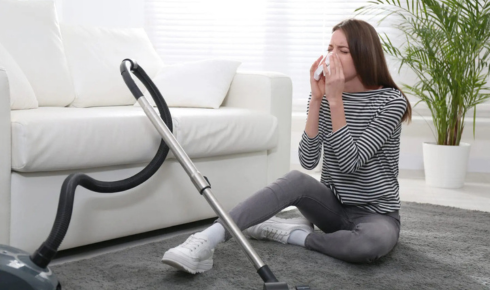
Here’s where many allergy sufferers unknowingly struggle. Each step across a carpet can release trapped particles back into the air, especially in high-traffic areas like living rooms and bedrooms. If you’ve ever noticed sneezing fits or itchy eyes indoors—even when windows are closed—your carpet may be part of the problem.
What Professional Carpet Cleaning Does Differently
Professional carpet cleaning isn’t just “stronger vacuuming.” When done properly, it combines several methods designed to address allergens at their source.
1. Deep Extraction Beyond the Surface
Commercial-grade equipment penetrates far deeper into carpet fibres than domestic machines. This allows technicians to extract allergens that have settled well below the visible layer—where most DIY cleaning never reaches.
2. Hot Water or Steam Cleaning
High-temperature cleaning is especially effective for allergy control. Heat helps to:
- Break down dust mite allergens
- Kill bacteria and microbes
- Loosen sticky pollen particles
Importantly, professional systems extract the moisture afterward, reducing the risk of mould growth—something particularly relevant in Dublin’s humid environment.
3. HEPA-Level Filtration
Many professional machines use advanced filtration that prevents allergens from being redistributed back into the air. This is critical for people who already suffer from asthma or hay fever, where airborne particles can trigger immediate symptoms.
Can Carpet Cleaning Really Reduce Allergy Symptoms?
While carpet cleaning isn’t a medical treatment, there is a clear practical benefit for many households.
People often report improvements such as:
- Fewer sneezing episodes indoors
- Reduced congestion, especially in the morning
- Less eye irritation when spending long periods at home
The reason is simple: fewer allergens in the environment means less constant exposure. For allergy sufferers, reducing the overall “allergen load” can make symptoms more manageable—even during peak pollen periods.
This is particularly noticeable in bedrooms, where we spend hours breathing the same air overnight. Clean carpets, combined with washed bedding and good ventilation, can significantly improve sleep quality during allergy season.
Timing Matters: When to Clean for Best Results
Professional carpet cleaning is most effective when timed strategically around allergy season rather than treated as a once-a-year chore.
Recommended timing for Dublin homes:
- Early spring – Before tree pollen peaks
- Mid-summer – After high grass pollen periods
- Early autumn – To address mould spores and damp-related allergens
Homes with pets, young children, or residents with asthma may benefit from more frequent cleaning.
Carpet Cleaning vs Other Allergy-Control Methods
It’s important to be realistic. Carpet cleaning works best as part of a broader allergy-management approach, not as a standalone fix.
Here’s how it fits into the bigger picture:
Method
What It Helps With
Limitations
Air purifiers
Airborne particles
Doesn’t remove embedded allergens
Regular vacuuming
Surface dust
Limited depth
Dehumidifiers
Mould control
Doesn’t remove existing allergens
Professional carpet cleaning
Deep allergen removal
Needs periodic repetition
Used together, these methods reinforce each other.
Is Carpet Cleaning Safe for Allergy Sufferers?
A common concern is whether cleaning itself might temporarily worsen symptoms. This can happen if carpets are cleaned improperly or left damp.
Reputable professional services avoid this by:
- Using controlled moisture levels
- Ensuring fast drying times
- Avoiding harsh chemical fragrances
When done correctly, most people experience improved air quality within 24 hours.
Should You Consider Professional Cleaning During Allergy Season?
If you or someone in your household struggles with allergies, professional carpet cleaning is less about aesthetics and more about environmental control.
It’s especially worth considering if:
- You notice symptoms worsening indoors
- You live in a high-pollen area
- You have wall-to-wall carpeting
- You’ve never had carpets professionally cleaned
For homeowners and tenants in Dublin, companies such as Happy Clean Dublin provide professional carpet cleaning services designed to address both cleanliness and indoor air quality, making them a practical option during allergy season.
Final Thoughts: A Practical Step, Not a Miracle Cure
Professional carpet cleaning won’t eliminate allergies altogether—but it can remove a significant source of indoor allergens that many people overlook. In a city like Dublin, where damp conditions and overlapping pollen seasons are part of life, reducing what you can control indoors often makes the biggest difference.
If allergy season feels longer and harsher than it should, your carpets may be quietly contributing. Addressing them isn’t about perfection. It’s about making your home easier to breathe in—one practical step at a time.