
When people think about environmental damage, they often picture dramatic scenes—oil slicks on water, smoke rising from a distant factory, headlines about spills. But some of the most serious environmental issues don’t look dramatic at all. They sit quietly beneath our feet.
Contaminated soil. Polluted groundwater. Improperly discarded materials that slowly leach into the earth over time.
The truth is, environmental impact isn’t always loud. Sometimes it’s subtle, layered, and years in the making. And restoring it takes more than a surface-level fix.
- The Quiet Difference Better Water Can Make in Your Home
- When Water Stops Feeling Neutral: Rethinking What Flows Through Your Home
- When Plumbing Problems Feel Personal: Finding the Right Help Without the Stress
- The Quiet Fixes That Make a Home Feel Warmer, Tighter, and More Thoughtful
- When Your Water Tells a Story: Solving Iron Stains, Rotten Egg Smells, and That Pool-Like Taste
The Hidden Story in the Soil
Soil holds history. Industrial operations, storage tanks, landfills, agricultural chemicals—all leave traces. In many cases, contamination isn’t discovered until property changes hands or construction begins.
That’s when testing reveals what’s been buried for years.
Addressing contamination requires strategic soil remediation, a process designed to remove or neutralize pollutants in affected land. Depending on the situation, this might involve excavating contaminated material, treating soil on-site, or introducing biological methods that break down harmful compounds.
It’s not glamorous work. It’s detailed, careful, and often slow.
But it matters.
Healthy soil supports ecosystems, construction stability, and community safety. Ignoring contamination can lead to structural challenges, health concerns, and regulatory complications down the road.
Water Below the Surface
What happens in the soil rarely stays in the soil.
Contaminants can migrate downward, reaching aquifers and underground water supplies. And once pollution reaches groundwater, it spreads quietly and persistently.
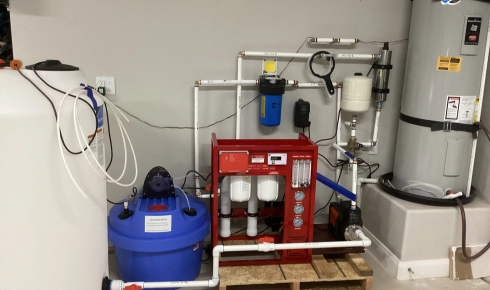
That’s why groundwater treatment becomes a critical component of environmental restoration in certain cases. Techniques vary—pump-and-treat systems, filtration barriers, chemical injections—but the goal remains consistent: prevent further migration and restore water quality.
Groundwater remediation is often long-term work. It requires monitoring, testing, and adjustments over time.
And unlike a visible spill, there’s no immediate visual sign when cleanup is complete. Success is measured in lab results and declining contaminant levels.
The Role of Responsible Disposal
Sometimes contamination isn’t about legacy pollution—it’s about how materials are handled today.
Industrial facilities, construction sites, and even large commercial operations generate byproducts that must be managed carefully. Improper waste disposal can create environmental issues that echo for years.
Responsible disposal isn’t simply about getting rid of unwanted material. It involves classification, documentation, safe transport, and ensuring that waste reaches approved treatment or recycling facilities.
When handled correctly, disposal protects both the environment and the business itself. When handled poorly, it can result in fines, lawsuits, and long-term reputational damage.
It’s an area where shortcuts rarely pay off.
The Financial Perspective
Environmental remediation can be costly. There’s no sugarcoating that.
Excavation, treatment systems, regulatory reporting—these processes require investment. But delaying action often compounds the expense.
Contaminated land may lose value. Development projects may stall. Regulatory agencies may impose penalties. Insurance claims can become complicated.
Addressing environmental concerns early—through testing, consultation, and structured cleanup—often reduces overall cost and disruption.
It’s a lesson many property owners learn the hard way.
Regulatory and Community Expectations
Environmental oversight has grown more rigorous over the past few decades. Agencies require detailed reporting, verified cleanup standards, and ongoing monitoring.
Beyond regulation, communities expect accountability. People want assurance that businesses operating nearby are not compromising soil and water safety.
Transparent remediation efforts build trust. They show that companies are taking responsibility rather than ignoring issues.
And in today’s information-driven world, transparency isn’t optional—it’s expected.
Technology Is Changing the Landscape
Environmental cleanup methods have evolved significantly.
Advanced filtration systems, in-situ chemical treatments, bioremediation techniques, and remote monitoring tools all improve efficiency and effectiveness.
In many cases, contamination can now be treated without extensive excavation. This reduces disruption to surrounding communities and minimizes environmental footprint during cleanup itself.
Progress in technology means remediation is no longer just reactive—it’s strategic.
Planning for the Future
Environmental restoration isn’t just about correcting past mistakes. It’s about preventing future ones.
Regular environmental audits, proper storage protocols, and structured disposal systems reduce risk before contamination occurs.
Companies that invest in preventive planning often experience fewer emergency situations. They also position themselves as responsible stewards of land and resources.
Prevention rarely makes headlines. But it quietly supports long-term stability.
The Emotional Weight of Restoration
There’s something meaningful about restoring land and water. It’s not just technical—it’s ethical.
Soil that once carried contamination can support new development. Groundwater that was once unsafe can become usable again. A property burdened by environmental issues can regain value and purpose.
That transformation doesn’t happen overnight. It requires expertise, patience, and persistence.
But it’s possible.
Final Thoughts
Environmental impact doesn’t always show itself immediately. It builds quietly, layer by layer, beneath the surface.
Addressing contamination—through soil cleanup, water treatment, and responsible material handling—requires thoughtful strategy and long-term commitment.
It may not be the most visible work. It won’t always feel urgent.
But restoring what lies beneath ensures that growth above ground remains stable, responsible, and sustainable.
And in the end, that quiet restoration speaks volumes.