
Common Household Water Problems and How the Right Treatment Can Make a Difference
There’s nothing particularly refreshing about stepping into a shower only to discover that the water barely trickles out. Add stained bathroom fixtures, cloudy drinking water, or stubborn mineral deposits around the kitchen sink, and everyday household routines can become surprisingly frustrating.
Water problems are easy to overlook at first. We adjust to them, clean a little more frequently, and sometimes assume they’re simply part of living in an older property.
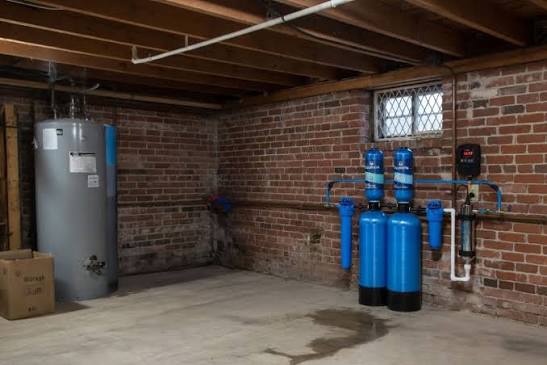
Fortunately, suitable water filtration and softening solutions can help address many common water quality concerns, provided the equipment is selected according to the actual problem.
Before investing in treatment, however, it’s worth understanding what’s happening within your water supply and plumbing system. Not every water-related issue requires a filter, and finding the underlying cause can save considerable time and money.
Why Your Household Water May Not Be Performing as Expected
Water travels quite a distance before reaching your kitchen faucet. Along the way, its characteristics can be influenced by naturally occurring minerals, distribution infrastructure, and the condition of household plumbing.
Calcium and magnesium contribute to water hardness, while suspended particles may affect clarity. Older metal pipes can deteriorate over time, potentially introducing rust particles into the supply.
Private wells may present different concerns depending on surrounding soil conditions and groundwater composition.
What’s particularly important is recognizing that similar symptoms can have entirely different causes.
A stained bathroom sink, for example, might indicate iron in the water rather than ordinary hardness. Purchasing a softener without investigating the problem could leave you disappointed.
Appropriate water testing provides a much clearer starting point.
Understanding Why Water Pressure Suddenly Drops
Few household inconveniences are quite as irritating as low water pressure, particularly when you’re trying to rinse shampoo from your hair or fill a cooking pot before dinner.
Several factors can contribute to reduced water flow, including clogged faucet aerators, partially closed valves, plumbing leaks, mineral accumulation, and restricted filtration equipment.
Start by noticing whether the problem affects one fixture or the entire property.
If only the kitchen faucet seems affected, the issue could be something relatively straightforward, such as a blocked aerator. Widespread pressure problems may require a more thorough plumbing inspection.
Hardness-related scale can sometimes contribute to restrictions within plumbing components. However, installing a water softener won’t automatically restore pressure when an existing blockage or mechanical problem is responsible.
Identifying the cause should always come before purchasing treatment equipment.
What Changes in Water Color Could Mean
Turning on the faucet and discovering rusty or discoloured water can be unsettling, especially when you’re accustomed to seeing perfectly clear water.
Brown, reddish, or yellowish water may be associated with iron, corroding pipes, or disturbed sediment within the distribution system.
Sometimes, temporary discoloration occurs following nearby water main maintenance. In other situations, persistent changes may indicate deteriorating household plumbing or concerns with the incoming supply.
Notice whether the discoloration affects both hot and cold water. If it appears exclusively when using hot water, the water heater may require investigation.
Avoid drinking unexpectedly discolored water until its cause and safety have been established. Contact your water supplier or an appropriate professional for guidance.
Suitable filtration may address certain sediment or iron-related concerns, but damaged plumbing could require repair or replacement instead.
Understanding the Difference Between Filtration and Softening
Water filters and softeners are frequently discussed together, although they perform different jobs.
Sediment filters capture suspended particles such as sand and rust. Activated carbon filtration can reduce certain unpleasant tastes, odors, and contaminants.
Water softeners, meanwhile, primarily address calcium and magnesium through ion exchange. Reducing these hardness minerals can help limit future scale formation around fixtures and inside certain appliances.
Reverse osmosis offers another treatment option for reducing various dissolved substances, particularly at dedicated drinking water faucets.
Some households benefit from combining several technologies, while others need only one treatment method.
The most effective approach isn’t necessarily the most complicated or expensive. It’s the one that addresses your specific water conditions.
Protecting Household Appliances From Mineral Buildup
Have you ever looked inside a kettle and noticed a chalky coating that seems to return shortly after cleaning?
That’s often associated with hardness minerals. Similar deposits can accumulate inside certain water heaters, dishwashers, and other appliances.
Over time, scale may interfere with equipment performance and increase maintenance requirements.
Appropriate hardness treatment can help reduce future buildup, potentially making household cleaning and appliance maintenance more manageable.
However, existing deposits may require separate servicing. A newly installed treatment system shouldn’t be expected to reverse years of accumulated scale immediately.
Following appliance manufacturers’ maintenance recommendations remains important, even after improving your water quality.
Choosing a Water Treatment System Without Overspending
Before comparing equipment prices, arrange appropriate water testing and identify which concerns genuinely need attention.
Consider your household’s water consumption, available installation space, incoming pressure, and ongoing maintenance requirements.
Ask about replacement filters, servicing expenses, and independently verified treatment performance.
Remember that treatment equipment itself can restrict flow if it’s incorrectly sized or poorly maintained. Selecting suitable equipment and following recommended servicing schedules can help prevent additional complications.
For private well owners, testing for potentially harmful microorganisms and other relevant contaminants is especially important.
Ordinary filtration should never automatically be assumed to make unsafe water drinkable.
Better Water Begins With Understanding the Problem
Improving household water quality doesn’t always require an elaborate treatment system.
Sometimes, a plumbing repair is the answer. In other cases, appropriate filtration, softening, or specialized treatment can produce meaningful improvements.
Start by investigating the symptoms rather than rushing toward a particular product.
With reliable testing, professional guidance, and thoughtful equipment selection, you can address water problems more confidently.
After all, turning on a faucet should be one of the simplest moments of your day, not another household frustration waiting to be resolved.
Related reading

Protecting Your Minnesota Home: When Exterior Remodeling and Roofing Make All the Difference
Owning a home in Minnesota means learning to live with some pretty unpredictable weather. One season brings heavy snowfall and freezing temperatures, while another delivers thunderstorms, strong winds,…
Read the article →
Living With Hard Water in Western Colorado: Why a Home Water Softener Can Make a Difference
There's plenty to love about living in Western Colorado, from spectacular mountain views to quiet evenings beneath an open sky. But inside the home, things aren't always quite…
Read the article →
Making Sense of Your Home’s Water and Choosing the Right Treatment
Water is one of those everyday necessities that rarely gets much attention until it starts causing trouble. Perhaps the shower screen keeps collecting white marks, your kettle develops…
Read the article →