
Better Water at Home Starts With Understanding What Comes From Your Tap
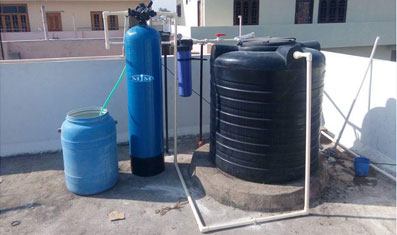
Water is one of those things most of us take for granted. Turn on the kitchen faucet, fill a glass, start the washing machine, or step into the shower, and we expect everything to work as it should. But sometimes the signs of a water problem are hard to ignore. Soap refuses to lather properly, white spots keep appearing on faucets, clothes feel stiff after washing, or drinking water has an unusual taste.
These everyday annoyances can point to differences in water quality. The good news is that homeowners don’t have to guess their way through the problem. Understanding what’s in the water, testing it properly, and choosing the right treatment system can make a noticeable difference in how water feels and functions throughout the house.
The Difference Between Hard Water and Other Water Concerns
Hard water is a common issue in many households. It contains elevated levels of dissolved minerals, particularly calcium and magnesium. These minerals aren’t generally considered a health concern at typical levels, but they can create practical problems around the home.
You might notice chalky deposits on showerheads, cloudy glassware, or a crusty buildup around faucets. Soap and shampoo may also leave behind a film, making showers feel less refreshing than they should. Over time, mineral scale can accumulate inside water heaters, pipes, and appliances, potentially affecting efficiency and increasing maintenance needs.
However, not every water problem comes from hardness. Water can also contain sediment, chlorine-related taste or odor, iron, or other substances that require a different approach. A cloudy appearance, metallic taste, or unusual smell doesn’t automatically reveal the cause.
That’s where water treatment & water softeners become relevant. Water treatment covers a broad range of solutions, while a water softener is designed primarily to reduce hardness minerals. Knowing the difference helps prevent homeowners from investing in equipment that doesn’t address their actual concerns.
Why Testing Your Water Is a Sensible First Step
When something seems wrong with your water, it’s tempting to head straight to the hardware store and buy a filter. But without knowing what needs to be addressed, choosing equipment can become an expensive guessing game.
A water test provides a clearer starting point. Depending on your water source and concerns, testing may evaluate hardness, pH, iron, dissolved minerals, or other relevant contaminants. If your home uses a private well, periodic testing is particularly important because groundwater conditions can change over time.
Municipal water users can review their local water quality reports, but those reports don’t necessarily describe what’s happening inside an individual home’s plumbing. Older pipes, household fixtures, or local plumbing conditions may affect water at the tap.
If you notice a sudden change in color, taste, or smell, don’t assume a treatment device will solve the issue. Contact your water supplier if you’re connected to a public system, and seek appropriate testing when needed. Water that may be contaminated should be assessed before you rely on it for drinking or cooking.
What a Water Softener Actually Does
A conventional water softener commonly uses an ion-exchange process to reduce calcium and magnesium. As hard water passes through the system, hardness minerals are exchanged for other ions, usually sodium. The system periodically regenerates its treatment material so it can continue operating.
For many households, the difference is noticeable in everyday routines. Soap may lather more easily, shower screens can be simpler to clean, and mineral deposits may build up less quickly on fixtures. Depending on the original water hardness and household equipment, softening may also help reduce scale accumulation in water heaters and plumbing.
Still, a softener isn’t a universal solution. It doesn’t automatically remove every contaminant, and it isn’t the same as a drinking-water purifier. The added sodium may also matter for people following medically prescribed sodium restrictions, so discuss appropriate options with a healthcare professional if this is a concern.
A good installation begins with the household’s water use, hardness level, plumbing layout, and maintenance expectations. System size matters, too. Equipment that’s too small may struggle to meet demand, while a system that’s unnecessarily large can cost more than needed.
Whole-Home Filtration Can Address Different Needs
A water softener focuses on hardness, whereas filtration systems target particular substances according to their design. For example, certain filters can reduce chlorine-related tastes and odors, while sediment filters capture particles such as sand or rust. Specialized treatment technologies may address other contaminants when the system is certified for that purpose.
This distinction is important because clear water isn’t necessarily contaminant-free. Likewise, water that tastes pleasant may still contain substances that cannot be detected by taste, smell, or appearance alone.
Homeowners who want to take control of your water quality should start by identifying the outcomes they want. Is the main concern mineral buildup throughout the house? Is drinking water the priority? Are there staining problems, unpleasant odors, or concerns identified by a water test? Each answer points toward a different possible solution.
For drinking water, an under-sink filtration unit or reverse osmosis system may be appropriate in some homes, depending on the water test results and the substances that need to be reduced. For broader household concerns, a point-of-entry system treats water as it enters the property. The right choice depends on the problem, not simply on how many stages a product advertises.
Combining Softening and Filtration
Some homes benefit from using more than one treatment method. A softener can reduce hardness, while a properly selected filtration system can target other water quality concerns. Together, these technologies may provide a more complete solution when the household has several distinct issues.
In these situations, water softeners & whole-home filtration should be considered as complementary options rather than interchangeable products. A filtration system doesn’t necessarily soften hard water, and a softener doesn’t remove every unwanted substance. Matching the technology to the test results is what makes the setup useful.
Installation order and equipment compatibility can matter. For instance, sediment filtration may be recommended ahead of certain treatment equipment when particles could interfere with its operation. A qualified water treatment professional can assess the plumbing, recommend an appropriate arrangement, and explain how the equipment will be maintained.
Before agreeing to a system, ask for details about installation costs, operating expenses, filter replacement schedules, salt use where applicable, and warranty coverage. A low purchase price may look appealing, but ongoing maintenance is part of the real cost of ownership.
Keep Your System Working Properly
Even a well-chosen treatment system needs regular attention. Filters must be replaced according to their instructions, softeners may require salt or other routine servicing, and some systems need periodic cleaning or professional checks. Skipping maintenance can reduce performance and leave householders wondering why the original improvement has disappeared.
Keep a record of installation dates, test results, and replacement parts. It sounds simple, but a note on your calendar can prevent a filter from being used long after its recommended service life. If water quality changes or the system begins behaving differently, investigate rather than assuming the equipment is still working perfectly.
It’s also worth checking whether your needs change over time. A new appliance, a growing household, or a change in the water supply may affect the type or capacity of treatment that makes sense.
Make Water Quality a Practical Home Priority
Good water isn’t just about taste. It affects cleaning, bathing, appliances, plumbing, and the small routines that make a house comfortable. When those routines become frustrating, the answer isn’t always buying the biggest system available. Often, the smartest move is to understand the problem first.
Start with reliable information, choose equipment designed for the substances you need to address, and make sure you understand the maintenance involved. With the right approach, water treatment can become a practical improvement rather than another complicated home project.
You use water every day, so it deserves a little attention. A clear plan and a properly matched system can help you feel more confident about what’s coming through your taps—and make everyday life at home that bit easier.
Related reading

Making Sense of Your Home’s Water and Choosing the Right Treatment
Water is one of those everyday necessities that rarely gets much attention until it starts causing trouble. Perhaps the shower screen keeps collecting white marks, your kettle develops…
Read the article →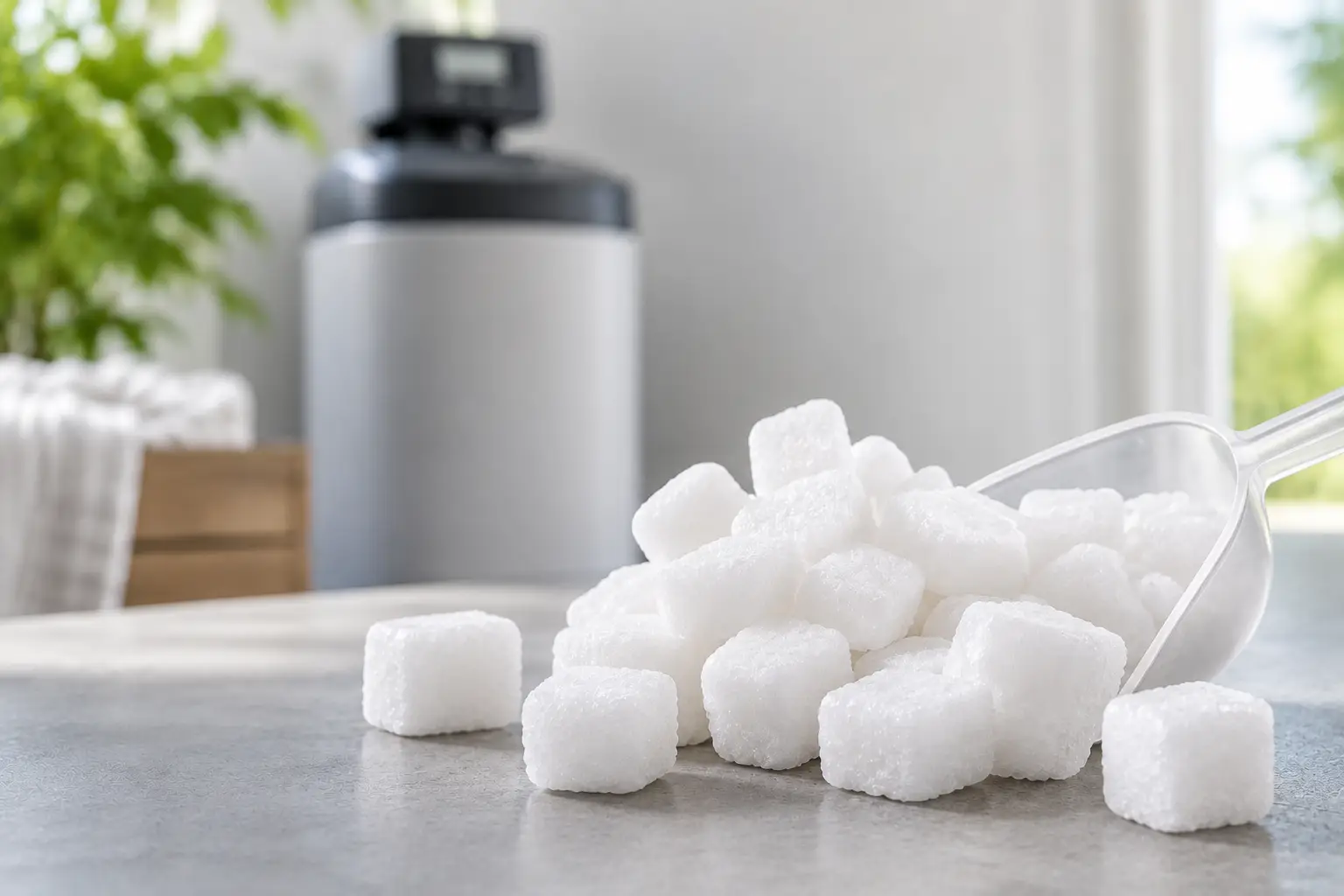
Reliable Water Service Makes Everyday Life Easier
Water-treatment equipment often works quietly in the background. You notice it when the water tastes better, mineral deposits become less troublesome, or household appliances run without the same…
Read the article →
The Quiet Difference Better Water Can Make in Your Home
Most home upgrades are easy to see. New flooring, fresh paint, better lighting, a nicer kitchen faucet — they all announce themselves. Water, on the other hand, is…
Read the article →