
How Long Does a Roof Repair Usually Take?
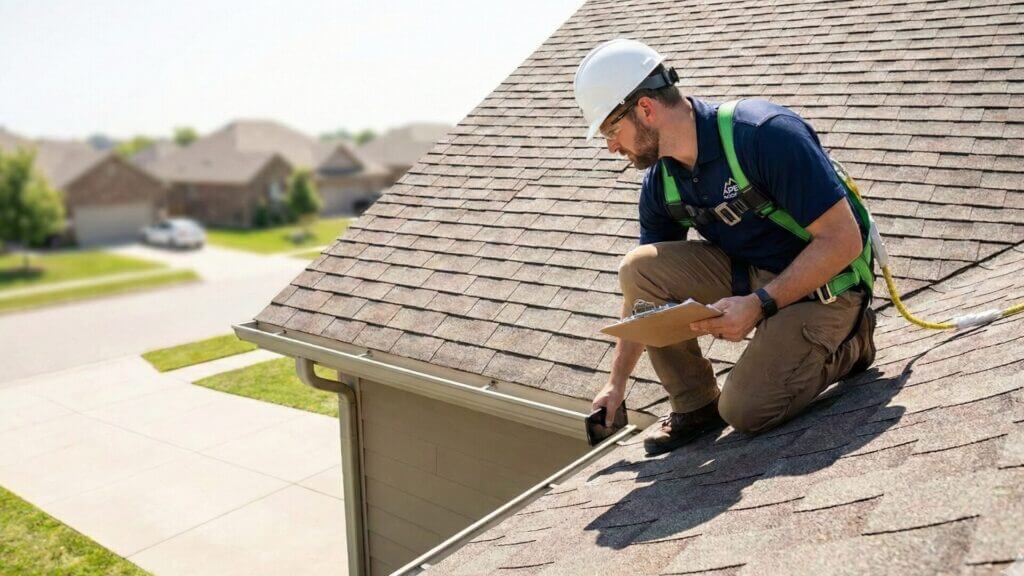
When a roof problem appears, one of the first questions homeowners ask is, “How long will the repair take?” The answer depends on the type of damage, the size of the affected area, the roofing material, weather conditions, and whether hidden damage is discovered after the work begins. A small repair may be completed in a few hours, while more involved work can take a day or several days.
For homeowners looking for roof repair in Austin, it is important to understand that the repair timeline usually starts with an inspection. A roofing professional needs to determine whether the problem is limited to a few shingles or involves flashing, underlayment, decking, ventilation, or another part of the roofing system. In Austin and throughout Central Texas, storms, strong winds, hail, heat, and sudden weather changes can all contribute to roof damage, so the visible problem is not always the full extent of the issue.
How long does a minor roof repair take?
Minor roof repairs are often completed relatively quickly. Replacing a small number of damaged shingles, repairing a limited section of flashing, resealing a roof penetration, or correcting a small leak may take only a few hours once the necessary materials are available.
The actual repair may be straightforward, but locating the source of a leak can sometimes take longer than fixing it. Water can travel beneath roofing materials before appearing on a ceiling or wall inside the home. This is why simply sealing the area where a homeowner notices a water stain may not solve the underlying problem.
How long does storm or hail damage repair take?
Storm-related damage can require more time because the roof needs to be carefully inspected for multiple problems. Hail can damage shingles in several locations, while strong winds can loosen or remove shingles, damage flashing, or expose areas of the roof to moisture.
After a major storm, demand for roofing services can also increase quickly. This can affect how soon an inspection or repair can be scheduled. Homeowners should document visible damage and address active leaks as soon as possible rather than waiting for the problem to become more serious.
If the damage is extensive enough to involve structural components or a larger portion of the roof, the repair may take longer than a typical spot repair. In Austin, some roofing work may also require permits, while certain minor residential roof repairs are exempt. The City of Austin currently lists replacement of asphalt shingles and certain non-structural roof-covering repairs among work that can be exempt from a building permit, subject to its specific conditions.
Does the type of roofing material affect the repair time?
Yes. Asphalt shingles are generally easier and faster to repair when the damage is localized. Other roofing systems can require different repair methods, materials, and preparation.
For example, a repair involving metal roofing may require matching panels, fasteners, flashing, or specialized techniques. Tile roofing can also take additional care because surrounding tiles may need to be removed carefully to reach the damaged area. The condition of the roof underneath can further affect the schedule.
This is one reason an experienced roofing company Austin Texas homeowners can rely on should evaluate the complete roofing system rather than estimating the repair time from a photograph alone.
What can make a roof repair take longer?
Weather is one of the biggest factors. Roofing materials need appropriate conditions for installation and sealing, and wet or unsafe conditions can delay outdoor work. Heavy rain, high winds, or another storm can make it unsafe for a crew to work on a roof.
Material availability can also affect the schedule. If matching shingles, flashing components, or other materials are not immediately available, the repair may need to be scheduled after the materials arrive.
Hidden damage is another common reason a repair takes longer than expected. Once damaged roofing materials are removed, a contractor may find deteriorated decking, moisture damage, or problems around flashing and penetrations. Those issues need to be addressed before the roof can be properly closed and protected.
Can a roof leak be repaired in one day?
Many localized roof leaks can be repaired in a single visit, particularly when the cause is easy to identify and the underlying roof structure is in good condition. However, homeowners should not assume that every leak is a one-day repair.
A leak may come from damaged shingles, flashing, roof vents, skylights, valleys, or another area. If moisture has affected the decking or other components, additional work may be necessary. A professional inspection helps determine whether the problem is a simple repair or part of a larger roofing issue.
How can homeowners avoid unnecessary repair delays?
The best way to reduce delays is to arrange an inspection as soon as a roofing problem is noticed. Take photographs of visible damage from the ground, especially after severe weather, and keep track of any new ceiling stains, dripping, or signs of moisture inside the home.
It is also helpful to ask the contractor what is included in the repair, whether any additional damage may be discovered once work starts, and whether permits or inspections are required for the planned work. Austin’s Development Services department notes that permit requirements depend on the type and scope of the repair, and certain emergency or larger repairs may have additional requirements.
A clear repair plan can prevent misunderstandings and help homeowners know what to expect. Companies such as 1st Capital Certified Roofing can assess the condition of the roof and explain what needs attention before repair work begins.
When should a homeowner consider more than a repair?
A repair may be appropriate when damage is limited to a small, manageable area. However, if a roof has widespread damage, repeated leaks, significant deterioration, or extensive problems across multiple sections, repairing one area may not be the best long-term solution.
The age and overall condition of the roof should also be considered. If problems continue to appear in different locations, homeowners may want to have the entire roofing system evaluated rather than repeatedly repairing individual spots.
Choosing a qualified roofing company Austin Texas homeowners can trust is important because a proper assessment should distinguish between isolated damage and problems that affect the roof as a whole. The goal is not simply to make the visible leak disappear but to restore the roof’s ability to protect the home.
Frequently Asked QuestionsHow long does a typical roof repair take?
A small, localized repair can often be completed within a few hours, while more complicated repairs may take a full day or longer. The timeline depends on the extent of damage, roofing material, weather, material availability, and whether hidden damage is discovered.
How long does it take to repair a roof after a storm?
Storm damage repairs can range from a few hours for isolated damage to several days for more extensive repairs. Scheduling may also take longer after widespread storms because many homeowners may need inspections and repairs at the same time.
Can a roof be repaired while it is raining?
Roof repair generally requires suitable and safe weather conditions. Rain can make the roof slippery and interfere with certain repair materials and installation procedures. If there is an active leak, a contractor may first take temporary measures to reduce additional water intrusion and return for permanent repairs when conditions are appropriate.
Does roof repair require a permit in Austin?
Not every residential roof repair requires a permit. Austin currently exempts certain asphalt shingle replacements and other non-structural roof-covering repairs when specific conditions are met. Larger or more involved work may have different requirements, so homeowners should verify the requirements for their specific project.
How can I tell if a roof needs repair or replacement?
A professional inspection is the best way to determine the appropriate solution. The decision can depend on the location and extent of damage, the roof’s overall condition, the presence of recurring leaks, and whether the underlying materials remain sound. A localized problem may only need a repair, while widespread deterioration may call for a more comprehensive solution.
Related reading

A Guide to Roof Inspections: What to Expect
A roof inspection is a crucial part of maintaining the safety and integrity of your home. Whether you're preparing to buy a new house, planning a major renovation,…
Read the article →