
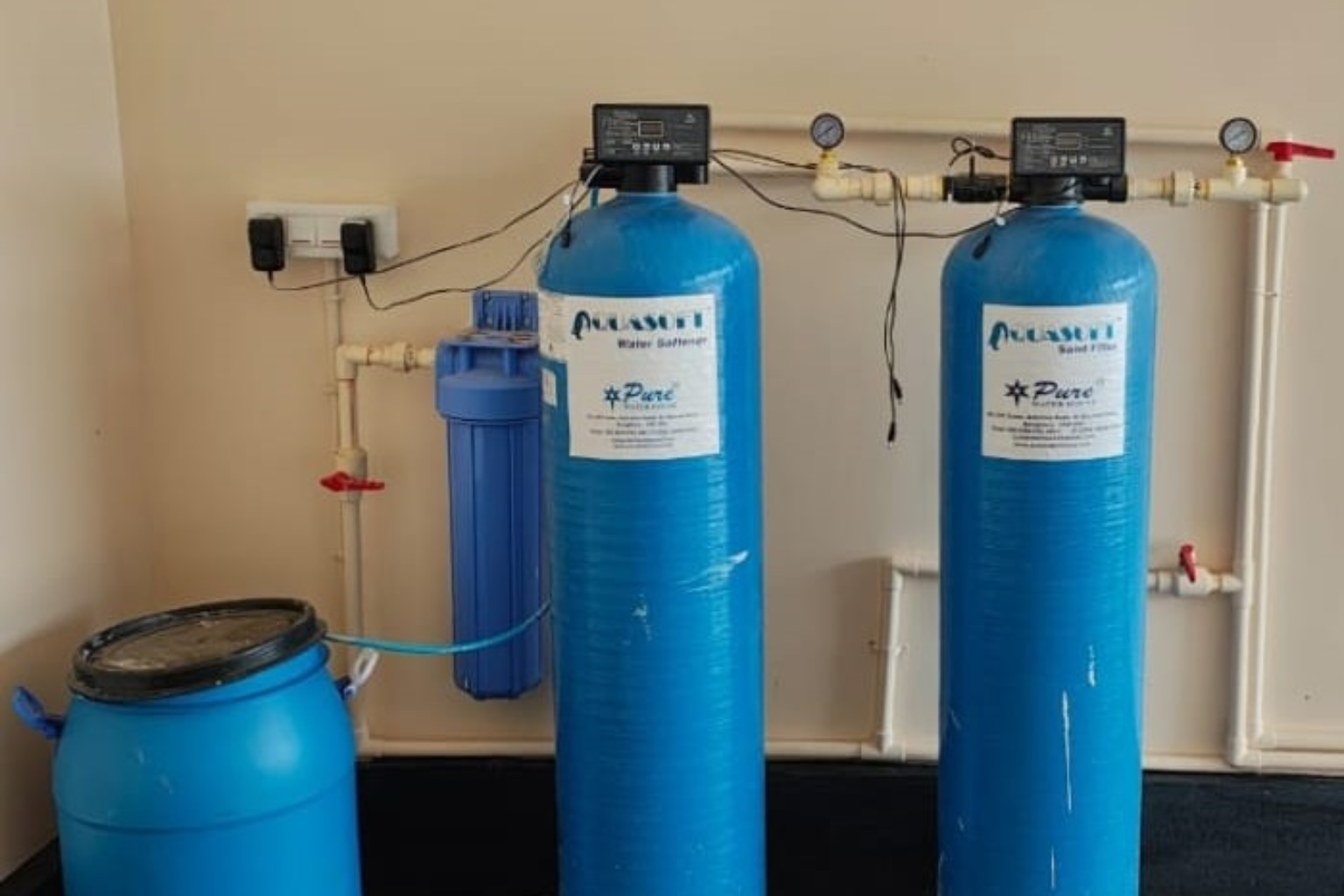
Most of us assume our tap water is “fine.” It looks clear. It doesn’t smell too strong. The city says it meets safety standards. So we fill our glasses, brew coffee, run the dishwasher, and move on with our day.
But every so often, something makes you pause. Maybe your shower leaves a chalky film on the tiles. Maybe your tea tastes slightly metallic. Maybe your skin feels dry no matter how gentle the soap. It’s rarely dramatic. Just small, nagging hints that something isn’t quite right.
That’s usually when homeowners start Googling filters, softeners, and purification systems. And here’s where most people get it backward: they shop for solutions before understanding the problem.
The smarter starting point? Test first.
Why Guessing About Water Rarely Works
Water quality varies widely depending on location, plumbing infrastructure, and even seasonal changes. What’s true for your neighbor’s home might not apply to yours.
Some homes struggle with mineral-heavy water. Others deal with chlorine taste, sediment, or trace contaminants. Without clarity, it’s easy to overspend on systems you don’t need—or under-invest in systems that would actually help.
That’s why free water testing can be such a valuable first step. Many local water treatment providers offer basic testing services at no charge. It’s not a sales pitch disguised as science (or at least it shouldn’t be). It’s data.
Even simple tests can reveal hardness levels, pH balance, chlorine content, and the presence of certain dissolved solids. That information turns confusion into direction.
Understanding the Results (Without Needing a Chemistry Degree)
When you receive test results, they may look technical at first. But most water reports focus on a few core indicators:
- Hardness (calcium and magnesium levels)
- pH (acidity or alkalinity)
- Chlorine or chloramine levels
- Total dissolved solids (TDS)
This is where proper water quality analysis becomes important. It’s not just about numbers—it’s about interpretation.
For example, hard water isn’t dangerous to drink, but it can shorten appliance lifespan and cause scaling. Elevated chlorine levels aren’t unusual in municipal water, but they can affect taste and odor.
The goal isn’t to panic over readings. It’s to understand what they mean for your home specifically.
And once you understand that, decisions feel much less overwhelming.
Avoiding One-Size-Fits-All Solutions
One of the most common mistakes homeowners make is installing an elaborate filtration system when all they needed was a softener—or vice versa.
If mineral buildup is your primary issue, addressing hardness may resolve 80% of your concerns. If taste and odor are the main frustrations, a targeted filtration system could be enough.
That’s why jumping straight to the most advanced purification system rarely makes sense. Without testing, you’re essentially guessing.
A tailored solution saves money and ensures long-term satisfaction.
When Professional Insight Makes a Difference
Online research can take you far. But at some point, it helps to speak with someone who works with water daily.
A thoughtful water expert consultation can bridge the gap between lab results and real-life decisions. A professional can explain what levels are typical for your area, what’s worth addressing immediately, and what might simply be a preference issue.
More importantly, a good consultant won’t push unnecessary upgrades. They’ll explain options clearly, including maintenance requirements and costs over time.
It’s about clarity, not pressure.
Beyond Health: The Practical Side of Better Water
Water quality isn’t only about drinking safety. It’s about how your entire home functions.
Hard water can reduce the efficiency of water heaters and dishwashers. Sediment can clog fixtures. Excess minerals can leave laundry feeling stiff.
Improving water quality often leads to reduced maintenance costs and extended appliance lifespan. It can also decrease reliance on bottled water, which is both expensive and environmentally wasteful.
The benefits show up gradually—but consistently.
Maintenance Is Part of the Equation
Once you install any treatment system, upkeep becomes part of the routine. Filters need replacing. Softeners require salt refills. Advanced purification systems may need membrane changes.
None of it is particularly complicated, but neglecting maintenance reduces effectiveness.
The key is consistency. A well-maintained system can deliver reliable performance for years.
Peace of Mind Is the Real Outcome
At the end of the day, water testing isn’t about fear. It’s about confidence.
When you know what’s in your water, you make informed choices. You stop wondering whether the taste is “normal.” You stop guessing why your shower doors cloud up so quickly.
You replace uncertainty with understanding.
And once your water is balanced—whether through softening, filtration, or targeted treatment—it quietly improves daily life.
Better coffee. Softer towels. Fewer plumbing headaches.
It’s subtle. But it matters.
A Thoughtful First Step
If you’ve been questioning your tap water, don’t start with the most expensive system you can find. Start with information.
Schedule a test. Review the results. Ask questions.
Water flows through every part of your day. Taking a little time to understand it is one of the simplest, smartest investments you can make in your home.
Because sometimes, the best improvements begin not with buying something—but with knowing something.