
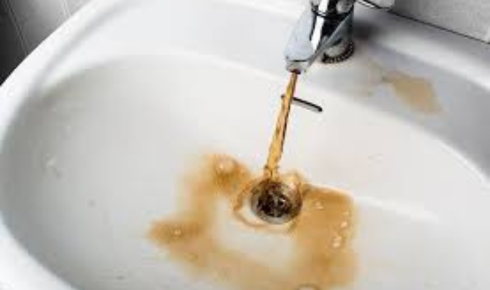
Water has a personality. Spend enough time in one house and you start to recognize it—the way it smells in the morning, how it tastes in a glass, the faint marks it leaves behind on sinks and tubs. Some homes have perfectly neutral water. Others… well, let’s just say the water makes itself known.
If you’ve ever turned on a faucet and caught a whiff of something unpleasant, or noticed rusty stains creeping across your porcelain fixtures, you know exactly what I mean. Water problems don’t usually arrive with dramatic warnings. They show up quietly. A yellow tint here. A metallic aftertaste there. A smell you can’t quite ignore.
And that’s when the research begins.
The Stubborn Case of Rusty Stains
Let’s talk about iron. It’s one of the most common issues in well water, and sometimes even appears in municipal systems. You’ll recognize it by those orange or reddish-brown stains in sinks, bathtubs, and around drains. Laundry can suffer too—white shirts gradually taking on a faint yellow hue.
Iron itself isn’t typically harmful in small amounts, but it’s undeniably frustrating. It clogs pipes over time, reduces water pressure, and gives water that slightly metallic flavor no one asked for.
That’s why many homeowners look into iron removal systems. These treatments often involve oxidation and filtration processes that convert dissolved iron into solid particles, which can then be filtered out. It sounds technical, and yes, it is—but the results are surprisingly simple: clearer water, cleaner fixtures, fewer headaches.
What I’ve noticed in conversations with homeowners is this—once the iron is addressed, they feel relieved. Not ecstatic. Just relieved. As if a low-grade annoyance they’d learned to live with has finally been handled.
The Smell That’s Hard to Ignore
Then there’s the infamous rotten egg smell.
If you’re dealing with that sulfur-like odor when you run the tap, you already know how persistent it can be. It’s usually caused by hydrogen sulfide gas in the water supply. Sometimes it’s present naturally in groundwater. Other times, it forms in plumbing systems or water heaters.
The smell isn’t just unpleasant—it can make showering, washing dishes, or even brushing your teeth feel slightly off-putting.
This is where sulfur odor treatment becomes essential. Solutions vary depending on the source of the problem. Aeration systems can release trapped gases. Oxidizing filters can neutralize sulfur compounds. In some cases, a combination approach works best.
What’s interesting is how quickly people adapt once the issue is fixed. They forget what it used to smell like. Guests stop wrinkling their noses. Life moves on, quietly improved.
The Taste of a Swimming Pool
Even homes connected to municipal water supplies can have their own challenges. Chlorine is widely used to disinfect public water systems—and for good reason. It protects against harmful bacteria and pathogens.
But let’s be honest. That faint pool-like flavor? It’s not exactly refreshing.
Some people barely notice it. Others can’t stand it. Coffee tastes different. Ice cubes carry the flavor. Even cooking can feel subtly affected.
A well-designed carbon filtration system can handle chlorine taste reduction, significantly improving the flavor and smell of tap water. Activated carbon absorbs chlorine and certain organic compounds, leaving water tasting cleaner and more neutral.
It’s a small change with a surprisingly big impact. Many families report that they start drinking more water simply because it tastes better. That’s a win in my book.
Understanding Your Water Before Fixing It
Here’s the part that often gets overlooked: not every water issue has the same cause.
Iron stains could stem from ferrous iron dissolved in well water—or from old plumbing pipes. Sulfur odors might originate in groundwater, or they might be linked to bacterial growth in a water heater. Chlorine levels vary widely depending on the municipality and seasonal treatment adjustments.
That’s why proper testing is so important. Guesswork can lead to overbuilt systems—or worse, solutions that don’t actually solve the problem.
A professional water analysis provides clarity. Hardness levels, pH balance, dissolved solids, bacteria presence—it all paints a clearer picture. From there, solutions can be tailored rather than improvised.
And that word—tailored—matters.
The Subtle Value of Clean Water
When water issues are resolved, life doesn’t suddenly feel revolutionary. You won’t host a celebration for your new filtration system. But you’ll notice.
You’ll notice your glass of water tastes clean. Your bathroom fixtures stay brighter longer. Your laundry comes out looking the way it should.
There’s also a practical side to consider. Appliances exposed to high iron content or scale buildup wear out faster. Odor-causing bacteria can contribute to maintenance issues. Over time, untreated water can quietly cost you money.
Investing in the right treatment system is often less about luxury and more about long-term thinking.
A Final Thought
Water is foundational. It’s woven into almost every daily routine—cooking, cleaning, bathing, drinking. When something’s off, even slightly, it affects more than you realize.
The good news? Most water issues are fixable. Whether you’re dealing with rust stains, that stubborn rotten egg smell, or a chlorine aftertaste that lingers longer than you’d like, there are proven solutions available.
And once you solve the problem, you’ll probably forget about it—which is exactly the point.
Good water doesn’t demand attention. It just quietly does its job.