
Hard water has a way of sneaking into your life without asking permission. It shows up as chalky spots on your glasses, soap that refuses to lather, and that stubborn white crust around faucets you scrub every weekend. At first, it’s a mild inconvenience. Then it becomes part of your routine. And eventually, you start wondering if there’s a better way.
For many homeowners dealing with serious mineral buildup, traditional softeners solve most of the problem. But there’s a newer conversation happening around systems that promise something more reliable—something uninterrupted. That’s where twin tank units step into the spotlight.
The Hard Water Frustration
If you live in an area with high calcium and magnesium levels, you know the drill. Laundry feels stiff. Water heaters collect scale. Showerheads clog faster than they should. Even coffee tastes slightly off sometimes.
Most standard softeners handle these issues well, but they regenerate periodically. During regeneration, untreated water can pass through the system. For some households, especially larger ones, that gap matters.
Imagine running a dishwasher while the softener is cycling. Or taking a shower just as the system refreshes itself. It’s not catastrophic. It’s just… not ideal.
How Twin Tank Systems Work
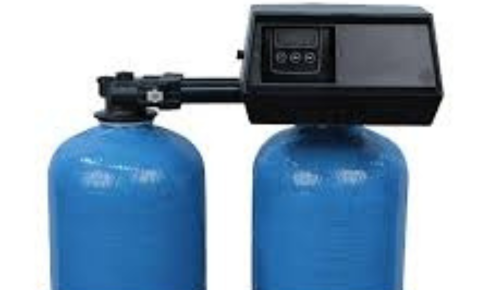
A twin tank design operates differently from the traditional single-tank model. Instead of one resin tank doing all the work, there are two. While one tank softens water, the other stands ready. When the first tank becomes saturated with hardness minerals, the system automatically switches to the second tank.
The result? No downtime.
That seamless transition means the household continues receiving softened water, even during regeneration. It’s subtle, but for busy homes, the consistency can be a game changer.
Salt-Based Softening Still Leads the Way
Let’s talk about the technology itself. Despite newer alternatives on the market, salt based softeners remain the most reliable method for removing hardness minerals from water.
They use an ion exchange process, replacing calcium and magnesium ions with sodium or potassium. The chemistry is well-established and proven over decades of use.
While salt-free conditioners can reduce scale formation, they don’t actually remove hardness minerals. For homes dealing with significant buildup, traditional salt-based systems still provide the most measurable results.
Twin tank models simply refine that approach.
Why Continuous Soft Water Matters
It might sound like a small detail, but continuous soft water makes a difference in daily routines. You don’t have to time laundry loads around regeneration cycles. Large families don’t have to worry about peak usage moments.
Restaurants, small businesses, or multi-bathroom homes benefit even more. Water usage doesn’t follow a predictable schedule, and interruptions—however brief—can create inconsistency.
With dual tanks, regeneration happens in the background while softened water continues flowing.
There’s something comforting about that reliability.
Is It Overkill?
For smaller households with moderate water use, a single-tank system often performs just fine. The regeneration cycle may happen at night when demand is low, making downtime almost unnoticeable.
But in high-demand homes, especially those with multiple bathrooms and appliances running simultaneously, twin tank systems provide peace of mind.
It’s not about luxury. It’s about capacity.
Maintenance Considerations
Twin tank systems require similar maintenance to single-tank units. Salt levels must be checked. Resin beds need occasional cleaning. Valves should be inspected periodically.
The main difference lies in how regeneration is managed. Because the system switches tanks automatically, it often regenerates based on real-time usage rather than a preset timer. That can improve efficiency over time.
Still, no system is maintenance-free. Consistency keeps performance steady.
Long-Term Benefits
Hard water quietly impacts appliances and plumbing. Scale buildup in water heaters reduces efficiency. Dishwasher heating elements struggle. Pipes narrow gradually with mineral deposits.
By ensuring uninterrupted softening, twin tank systems help maintain appliance performance more consistently. Over years, that protection can add up to meaningful savings.
Not dramatic. Not flashy. Just steady.
Environmental Impact and Salt Use
One concern homeowners often raise involves salt consumption. Because twin tank systems regenerate based on actual water usage, they can sometimes optimize salt efficiency better than timer-based systems.
Less unnecessary regeneration means less salt wasted.
Of course, proper sizing is crucial. An oversized system wastes resources. An undersized one regenerates too frequently.
Testing your water and calculating daily usage remains the smartest first step.
The Real-Life Difference
Sometimes it’s the small things that tell the story. A shower that always feels smooth. Dishes that never show spotting, even after heavy use. Laundry that stays soft without extra additives.
You stop thinking about your water. It just works.
That’s the quiet goal of any home system—solve the problem without demanding constant attention.
Final Thoughts
Twin tank water softeners aren’t necessary for everyone. But for households dealing with heavy water usage and high hardness levels, they offer something valuable: reliability.
When the system regenerates without interrupting your daily routine, you gain more than softened water. You gain consistency.
If hard water has been a persistent frustration in your home, it may be worth exploring whether a twin tank setup aligns with your needs.
Because at the end of the day, water shouldn’t complicate your life.
It should support it—quietly, consistently, and without interruption.