Fall brings a welcome change to Central Texas. After months of intense heat, outdoor temperatures become more comfortable, the soil can retain warmth, and homeowners have a better opportunity to think about what their yards actually need. If your backyard feels unfinished, difficult to maintain, or simply no longer fits the way you use your home, this is a smart season to start planning.
For homeowners considering backyard landscaping Austin, fall offers an important advantage: you can work on the design and planting strategy before another demanding Texas summer arrives. Trees, shrubs, ornamental grasses, and many perennials can establish roots during the cooler months, giving them more time to become established before the next stretch of heat.
Why Is Fall a Good Time to Start a Backyard Landscape Project?
- How to Move Houseplants without Killing Them
- NoBroker Interiors vs Urban Company: Comprehensive Full-Home Architecture vs Quick-Fix Services
- The Quiet Beauty of White Marble in Modern Homes
- Restore & Protect Your Roof with Peakroofclean: Safe, Expert Cleaning Solutions That Truly Last
- Commercial Grade Epoxy Garage Floor Coating for Durable Business Spaces
One of the biggest reasons to plan in fall is the difference between air and soil temperatures. Austin’s summer heat can be hard on newly installed plants. During fall, cooler conditions reduce stress while the soil can remain warm enough for continued root development.
That makes this season particularly useful for establishing trees and other landscape plants. Austin’s current guidance also recommends planning carefully before planting, including evaluating sunlight, slope, drainage, soil conditions, existing vegetation, and the space available for plants as they mature.
Starting during fall also gives homeowners time to address problems that may have become obvious during summer. Perhaps one section of the yard receives too much sun, water collects near the patio after rain, the lawn requires more maintenance than expected, or there is no comfortable place to sit outside. A landscape plan can address these issues together instead of treating each one as a separate project.
What Can You Plan for an Austin Backyard in Fall?
A backyard landscape does not have to mean replacing the entire yard. Sometimes the best improvement comes from changing a few key areas.
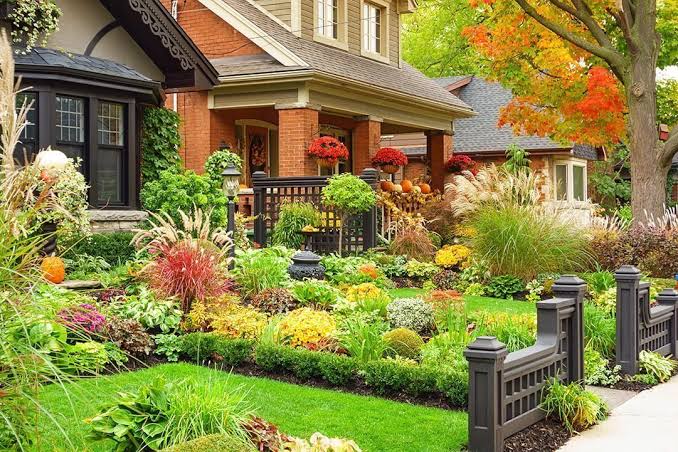
You might add a shaded seating area, create a more defined garden bed, improve the transition between the patio and lawn, add privacy planting, or introduce trees that will eventually provide valuable shade. Hardscape features such as walkways, patios, retaining walls, and outdoor living areas can also be incorporated into a larger landscape design.
Fall is also a good time to think about water use. Austin homeowners increasingly have reason to consider native and well-adapted plants rather than choosing landscape plants based only on appearance. The city’s Grow Green plant guide highlights native and adapted plants selected for characteristics such as lower water requirements, local conditions, and resistance to common pests and diseases.
That does not mean every backyard needs to become a completely native landscape. A well-designed yard can combine trees, shrubs, ornamental grasses, flowering plants, lawn, and hardscape in a way that suits the property and the homeowner’s lifestyle.
How Can Fall Planting Help Your Landscape Handle Texas Summers?
Planning ahead matters because Austin’s summer conditions can be demanding. Plants installed during fall have an opportunity to establish their root systems before the next period of extreme heat.
Recent Central Texas gardening guidance continues to identify fall as one of the strongest planting periods for trees, shrubs, perennials, and other landscape plants. Native and drought-tolerant choices can also help create a more resilient landscape when they are matched appropriately to the site’s sunlight, soil, drainage, and available water.
This is especially important when selecting larger plants. A tree should not simply be chosen because it looks attractive at the nursery. Its mature size, proximity to structures, available sunlight, soil conditions, and future root and canopy growth all matter.
Should You Plan Hardscaping at the Same Time?
Yes, especially if you are considering a larger backyard transformation.
Planning the landscape and hardscape together can produce a much more cohesive result. For example, a new patio should work with the surrounding planting beds, drainage, walkways, shade, and areas where people will actually spend time.
Fall can also be a practical season for getting these plans underway because homeowners can make decisions before spring projects become a priority. Instead of rushing to choose materials or plants when warmer weather arrives, you can develop the layout first and determine what should be installed immediately and what can be completed in stages.
A thoughtful design can also help prevent expensive changes later. The location of trees, irrigation, drainage, lighting, seating areas, and pathways should ideally be considered before construction begins.
How Should You Choose a Landscaping Company in Austin?
Choosing among landscaping companies Austin homeowners can work with should involve more than comparing photographs online. Look for a company that understands Central Texas growing conditions and takes the time to evaluate the property before recommending plants or construction.
Ask about experience with Austin-area landscapes, drainage, soil conditions, native and adapted plants, irrigation considerations, and outdoor living spaces. It is also useful to review completed projects that resemble the type of backyard you want rather than choosing a contractor based only on a single impressive project.
A professional landscape team should also be willing to discuss how the design will look several years from now. A newly installed landscape may look sparse at first, but plants need room to mature. Putting too many plants into a small space can create maintenance problems later.
Most importantly, the design should reflect how you use your backyard. A family that spends weekends outdoors may need open lawn and a comfortable gathering area, while another homeowner may prefer a private garden with low-maintenance planting. The right landscape is not necessarily the most elaborate one. It is the one that works naturally with the property and the people who live there.
What Should Austin Homeowners Do Before Starting a Fall Landscape Project?
Start by looking at the backyard as it is today. Notice where water collects, which areas receive morning or afternoon sun, where plants struggled during summer, and which parts of the yard you actually use.
Take note of existing trees and plants that you want to keep. Then think about your priorities for the next few years rather than trying to solve everything at once.
If you are planting trees or making significant changes, remember to account for utilities and local requirements before digging. Austin’s landscape guidance specifically recommends mapping the property and calling 811 before excavation.
From there, a landscape professional can help turn those observations into a practical design.
Is Fall the Right Time to Start Planning Your Backyard?
For many Austin homeowners, absolutely. Fall provides a useful window to evaluate the yard, develop a design, choose appropriate plants, and begin improvements while conditions are more favorable.
October is still an active planting period in Central Texas, although the appropriate timing can vary depending on the plant, weather, and site conditions.
Rather than waiting until spring to decide what the backyard needs, starting now gives your project more time to develop. Whether you want a complete backyard transformation or a smaller update, fall is a practical season to plan for a landscape that looks good and performs well through Austin’s changing conditions.
FAQsIs fall really better than spring for landscaping in Austin?
Fall is often an excellent planting season in Central Texas because cooler temperatures reduce stress on new plants while the soil can remain warm enough for root development. The exact timing still depends on the plant and current weather conditions.
What plants are good choices for an Austin backyard?
The best plants depend on your property’s sunlight, soil, drainage, available space, and water conditions. Native and well-adapted plants are often good options because they are suited to Central Texas conditions. Austin’s official plant guide can help homeowners explore choices based on water needs, light, plant type, and other characteristics.
Can I install a patio and plants as part of the same project?
Yes. Combining hardscape and planting plans can create a more connected backyard design. Planning both together also helps ensure that pathways, patios, drainage, trees, planting beds, and outdoor living areas work well together.
Should I replace my entire lawn with native plants?
Not necessarily. Some homeowners may benefit from replacing portions of lawn with native or drought-tolerant plants, while others may prefer to keep lawn in areas used for recreation. The right balance depends on how you use the property and its growing conditions.
When should I start planning my Austin backyard landscape?
You can start planning as soon as you know what you want to change. Fall is particularly useful because it is an active planting season in Central Texas, giving homeowners an opportunity to prepare their yards before the next hot summer.