Some materials don’t need to shout to be noticed. White marble is one of them. It has this calm, almost effortless presence that can make a room feel cleaner, brighter, and more considered without looking overdone. You see it in luxury hotels, old European buildings, boutique bathrooms, kitchen islands, staircases, and sometimes even in small decorative corners where just a little natural stone changes the mood completely.
Marble has been loved for centuries, but it still feels surprisingly modern. Maybe that’s because every slab is different. One piece may have soft grey veining, another may carry warmer cream tones, and another may look almost like frozen milk with delicate lines running through it. That natural variation is exactly what gives marble its charm. It never feels copied or factory-made, even when used in a very polished, contemporary space.
Why White Marble Still Feels Special
There are plenty of surface materials available today — quartz, tiles, porcelain, granite, engineered stone, laminates, and so on. Many of them are practical, affordable, and easy to maintain. Still, natural marble has a character that is hard to replace.
- How to Move Houseplants without Killing Them
- NoBroker Interiors vs Urban Company: Comprehensive Full-Home Architecture vs Quick-Fix Services
- Restore & Protect Your Roof with Peakroofclean: Safe, Expert Cleaning Solutions That Truly Last
- Commercial Grade Epoxy Garage Floor Coating for Durable Business Spaces
- Why Ashdale Fencing is the Trusted Fencing Company in Derby
White marble brings light into a room. It reflects natural sunlight beautifully and can make smaller spaces feel more open. In a kitchen, it can soften heavy cabinetry. In a bathroom, it creates that spa-like feeling people keep trying to describe but rarely get right. Even in flooring, it gives a sense of quiet elegance that doesn’t go out of style after one design trend passes.
That’s why homeowners, interior designers, architects, and builders continue to choose oriental white marble for spaces where a refined, timeless look matters. It has a gentle visual depth, often with soft veining that feels graceful rather than loud. It works well in both traditional and modern interiors, which is not something every stone can honestly claim.
A Natural Stone With Real Personality
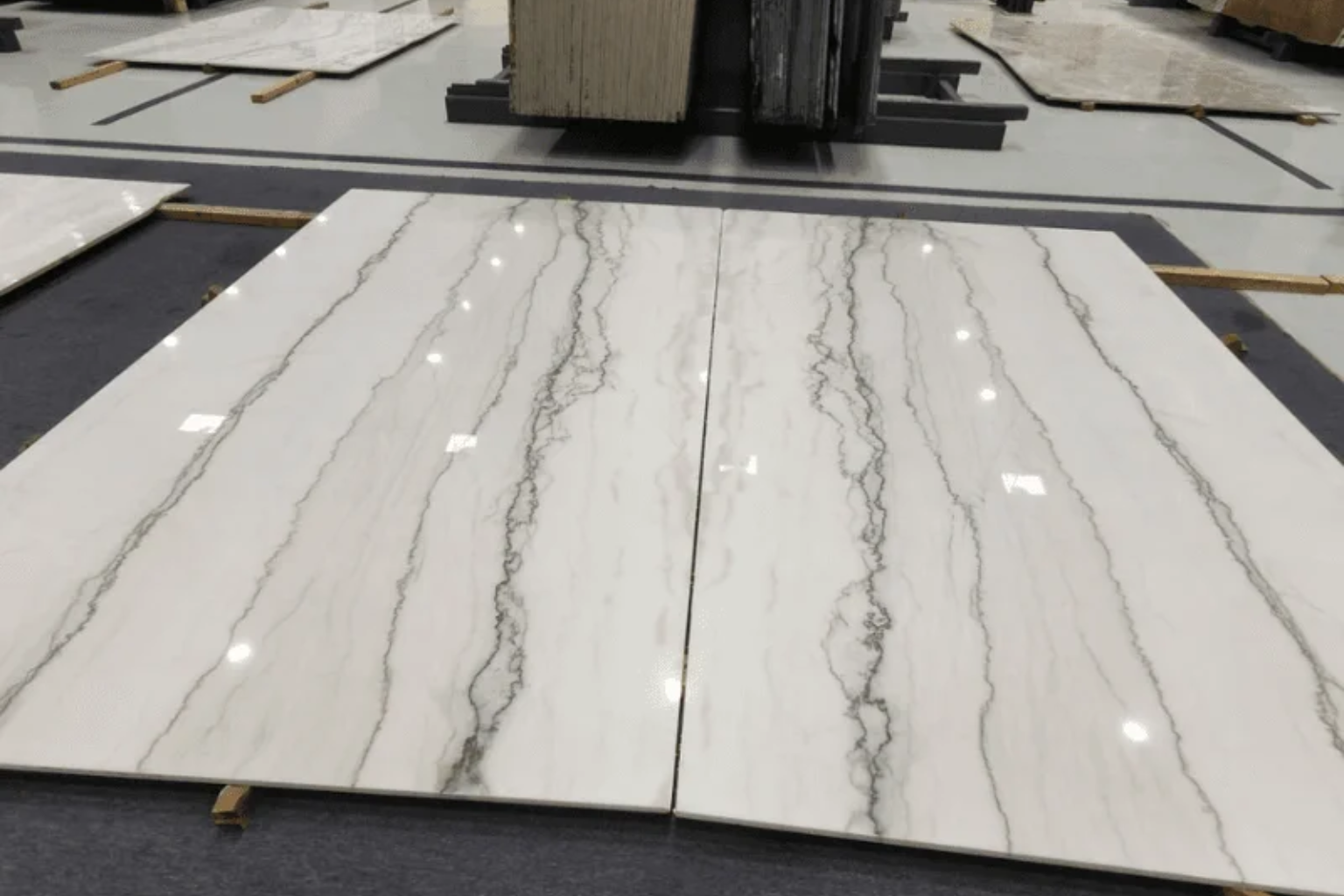
One thing people should understand before choosing marble is that it is not a plastic-perfect material. It is natural stone, and natural stone has personality. That means variation in colour, pattern, veining, and texture. Some buyers love this immediately. Others need to see full slabs before they understand how different marble is from showroom samples.
And that’s important. A small sample may show the colour, but it rarely tells the full story. The beauty of marble is in the larger movement — the way veins travel across the surface, how light catches the polish, how each piece connects with another during installation.
For feature walls, countertops, floors, vanity tops, and staircases, slab selection matters a lot. You don’t just pick “white marble” and move on. You look at tone, finish, thickness, edge detail, and how the material will sit with the rest of the room.
Where White Marble Works Best
White marble is incredibly versatile, but it shines in certain areas more than others. In bathrooms, it can be used for vanity counters, shower walls, flooring, or decorative niches. It pairs beautifully with brushed brass, matte black, chrome, natural wood, and even soft pastel colours.
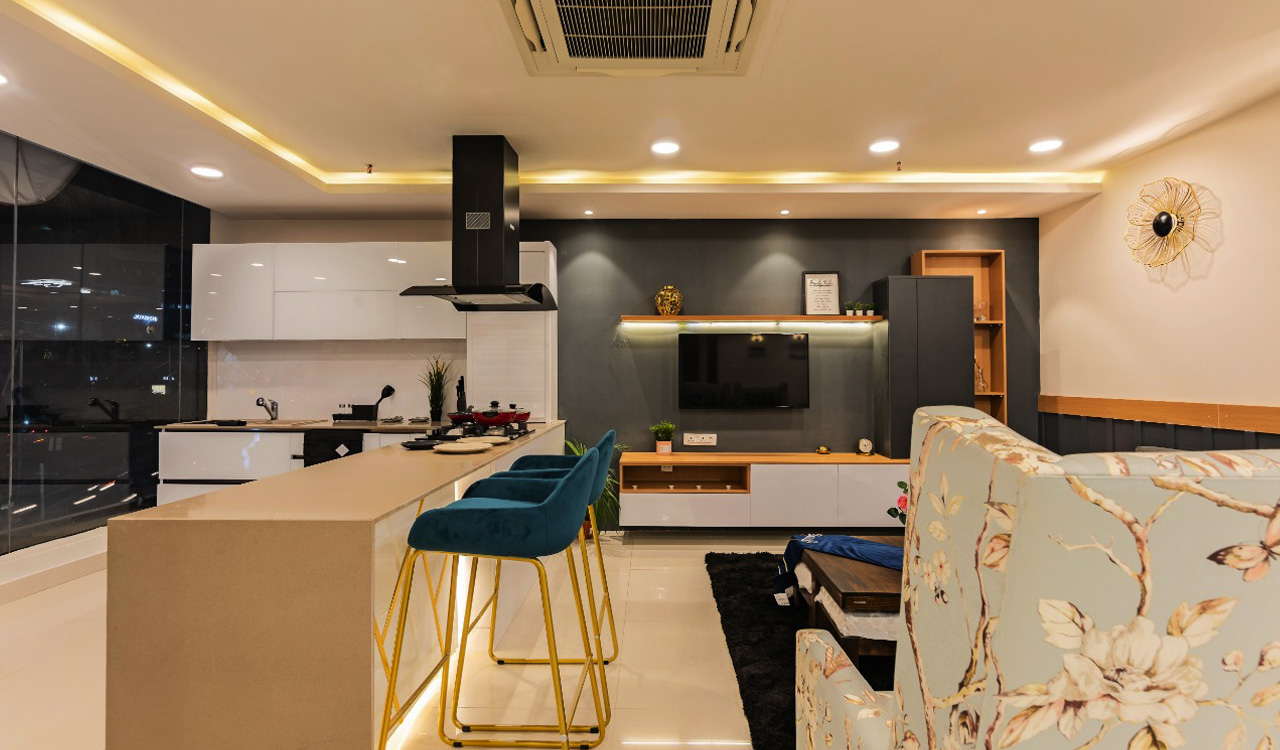
In kitchens, marble countertops create a classic look, especially when paired with clean cabinetry and warm lighting. However, homeowners should be realistic. Marble is more porous than some engineered surfaces, so spills, acids, and heavy use need attention. Lemon juice, vinegar, wine, and certain cleaners can leave marks if ignored. That doesn’t mean marble is a bad choice. It simply means it needs the right care.
For living rooms, marble works nicely as a TV backdrop, fireplace surround, side table top, or flooring accent. It adds polish without filling the space with unnecessary decoration. A single well-placed marble element can do more than a room full of expensive accessories.
Maintenance Is Not Difficult, But It Matters
Marble care is mostly about being sensible. Use gentle cleaners, wipe spills quickly, avoid harsh acids, and seal the surface when needed. In high-use areas, especially kitchens and bathrooms, sealing helps protect the stone from staining and moisture absorption.
Daily cleaning does not require anything fancy. A soft cloth, mild soap, and clean water are usually enough. The bigger issue is using the wrong products. Strong chemical cleaners can dull the finish over time. Abrasive pads can scratch. Acidic liquids can etch the surface.
Some people worry that marble requires too much maintenance, but honestly, it depends on expectations. If you want a surface that looks brand new forever with zero care, marble may not be the right match. But if you appreciate natural ageing, soft patina, and a material that carries life gracefully, marble can be deeply rewarding.
Choosing Marble With Confidence
Before buying, it helps to ask a few practical questions. Where will the marble be installed? Will it face heavy traffic, water, heat, or food spills? Do you prefer a polished, honed, or leathered finish? Is the room bright or low-lit? What colours already exist in the space?
Good suppliers and fabricators can guide you through these choices. They can also help with slab matching, installation planning, sealing advice, and realistic maintenance expectations. This matters because marble is not just a purchase; it becomes part of the home’s atmosphere.
A Timeless Choice That Feels Personal
White marble has lasted in design for a reason. It is elegant, adaptable, and naturally beautiful in a way that manufactured materials often try to imitate but rarely capture fully. It can make a simple bathroom feel peaceful, a kitchen feel more luxurious, or an entryway feel quietly impressive.
In the end, marble is about more than appearance. It’s about texture, light, craftsmanship, and the small pleasure of living with something real. Trends will come and go, as they always do. But a carefully chosen marble surface has a way of staying beautiful long after the mood boards have changed.