
Making Sense of Your Home’s Water and Choosing the Right Treatment
Water is one of those everyday necessities that rarely gets much attention until it starts causing trouble. Perhaps the shower screen keeps collecting white marks, your kettle develops a chalky coating, or a glass of tap water has a taste that just doesn’t seem right. You clean, rinse, and try again, but the problem keeps coming back. It’s frustrating, particularly when you’re not sure what’s causing it.
The thing is, water problems don’t all have the same explanation. Some homes deal with hard water, others have sediment or unpleasant tastes, and some need to investigate specific contaminants. Buying the first filter that promises cleaner water can be tempting, but it isn’t always the best move. A little understanding at the beginning can save money and make the eventual decision much easier.
Start by Finding Out What’s in Your Water
Water quality can vary even between homes in the same neighbourhood. The source matters, of course, but so do local geology, existing treatment processes, and the plumbing inside the property. Municipal water is generally treated before distribution, while private wells may be influenced by surrounding soil, rainfall, agricultural activity, and other local conditions.
The signs around your home can offer useful clues. White deposits on faucets often point toward mineral buildup associated with hard water. Reddish stains may be linked to iron, while an unusual taste or smell can have several possible causes. Still, these observations aren’t enough to establish exactly what’s present. Some substances cannot be detected by sight, taste, or smell.
Testing gives you a more dependable starting point. Depending on the water source and your concerns, a test may examine hardness, pH, iron, dissolved solids, bacteria, or other specific substances. If you’re concerned about health-related contaminants, make sure the test is suitable for those concerns and consider using a certified laboratory.
Once you have the results, you can focus on solutions that address the actual issue rather than paying for equipment you may not need.
When Treating Water Throughout the Home Makes Sense
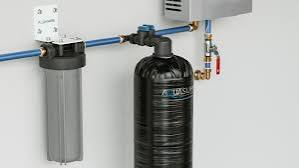
Some water concerns affect more than the kitchen tap. Mineral deposits may develop in several bathrooms, sediment might collect in plumbing fixtures, or a particular characteristic of the incoming supply may affect appliances throughout the property. In these situations, whole house filtration may be worth considering.
These systems are generally installed where water enters the home, allowing treated water to flow to multiple fixtures. However, the technology inside the system matters more than the label on the box. A sediment filter is designed to capture particles, while activated carbon can reduce certain tastes, odors, and selected compounds. Other treatment methods address different concerns.
It’s important to match the equipment to your water test results. A standard sediment filter won’t reliably remove dissolved substances, and a typical carbon filter isn’t designed to solve every microbiological issue. If the water requires disinfection or reduction of a particular contaminant, the system must be specifically suited to that purpose.
Household demand is another consideration. A system that performs well in a small property may struggle when several showers, washing machines, and kitchen fixtures are operating together. Ask about flow rate, pressure loss, replacement schedules, and installation requirements before making a decision.
Understanding the Difference Between Hard Water and Contaminated Water
Hard water is one of the most common reasons homeowners explore treatment. It contains elevated levels of dissolved calcium and magnesium. These minerals can leave scale on showerheads, glassware, faucets, and water-heating equipment. Soap may also lather less effectively, making cleaning feel like more work than it should be.
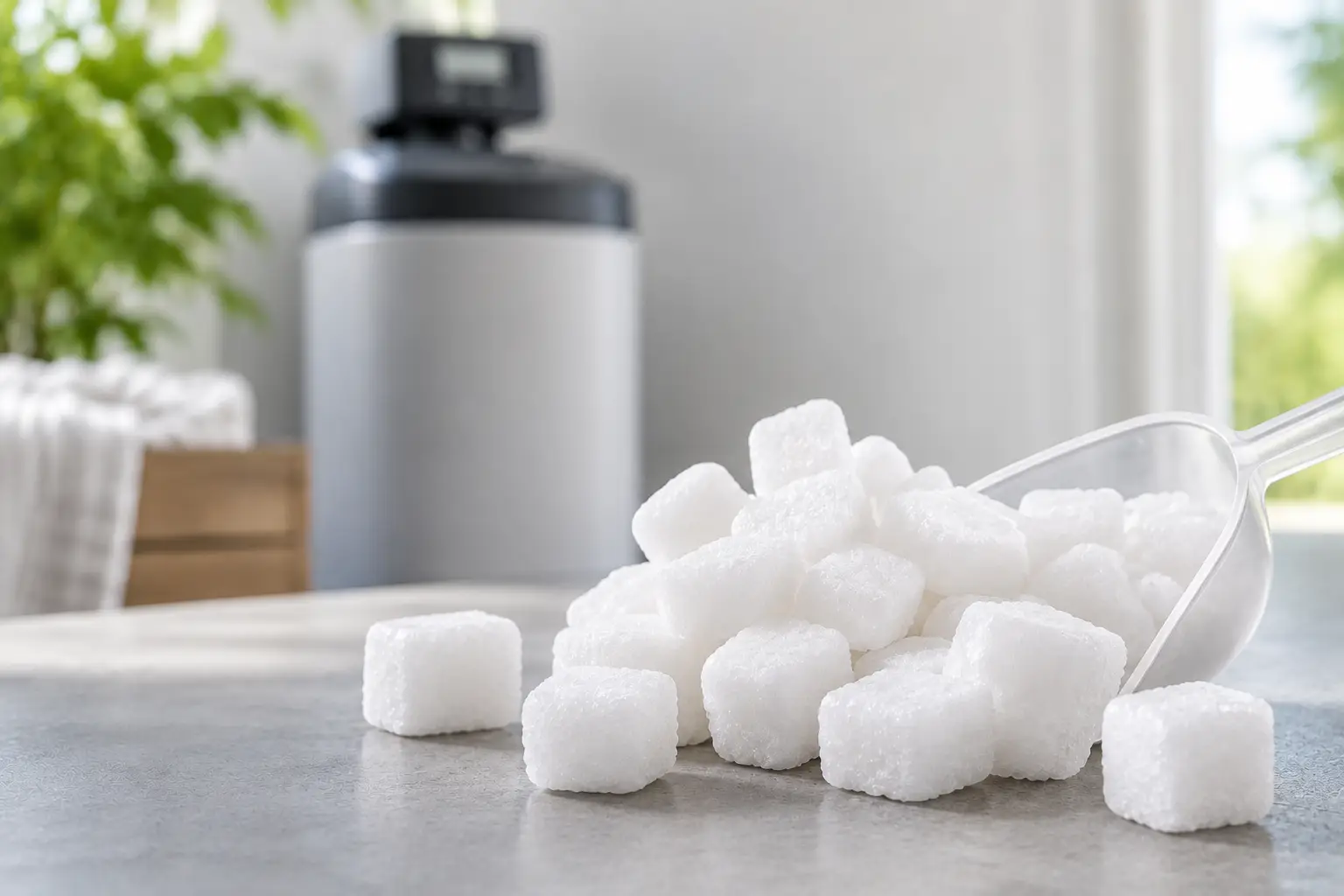
For this particular problem, a salt based water softener can be an effective option. Conventional ion-exchange softeners replace hardness minerals with other ions, commonly sodium. This helps reduce hardness and may limit scale buildup throughout the plumbing system.
The benefits can be noticeable in everyday routines. Shower screens may be easier to clean, and appliances may experience less hardness-related scale. But softening has clear limits: it isn’t a universal purification method and doesn’t automatically remove bacteria, lead, or every unwanted substance.
Before installing a softener, consider water hardness, household usage, available space, and ongoing maintenance. These systems generally require salt replenishment and periodic regeneration. Some households may also have concerns about sodium in softened water, so discuss drinking-water preferences with a qualified professional when needed.
Treating hard water and treating contaminated water are two different jobs. Understanding that distinction helps you avoid expecting one piece of equipment to do everything.
Choosing a System for Drinking and Cooking Water
Sometimes the main concern is simply the water used for drinking, making tea, cooking meals, and filling reusable bottles. In that case, a point-of-use system may be more practical than treating every tap in the home.
Modern drinking water systems include activated carbon filters, reverse osmosis units, and other technologies designed for specific treatment goals. Carbon filtration can improve certain tastes and odors, while reverse osmosis can reduce a range of dissolved substances when the selected model is properly certified for them.
Before choosing a unit, check what it is designed to reduce and whether independent certification supports those claims. A product with several filtration stages isn’t automatically better than a simpler system. What matters is how well it addresses the particular concerns identified through testing.
Practical details count, too. Under-sink systems need enough cabinet space, and some models require a dedicated faucet, storage tank, or drain connection. Reverse osmosis systems also produce wastewater and need periodic filter and membrane replacement. If your household uses drinking water frequently, look at the system’s production rate and storage capacity so it can keep up with daily routines.
Don’t Forget the Cost of Keeping It Working
The purchase price is only part of the investment. Replacement cartridges, softener salt, servicing, electricity, and water use can affect the total cost over several years. A system that seems inexpensive at first may be less appealing if replacement parts are difficult to find or maintenance is unusually demanding.
Ask for a clear estimate that covers installation, routine servicing, and expected replacement components. Keep a record of filter changes and service visits, and follow the manufacturer’s instructions. If the water’s taste, odor, pressure, or appearance changes unexpectedly, investigate the cause rather than assuming the equipment is still performing as intended.
Choose What Fits Your Home
Better water begins with good information, not a shopping list. Identify the concerns that matter, arrange appropriate testing, and compare systems based on verified performance and realistic maintenance requirements.
The right solution might be a simple drinking-water filter, a softener for persistent hardness, or a whole-house setup designed around several specific needs. Whatever you choose, make sure you understand what the equipment can do, what it cannot do, and what it will take to maintain it.
Water treatment doesn’t need to be complicated. With a little patience and a practical plan, you can make an informed choice that fits your home, your budget, and the way your family uses water every day.
Related reading
Reliable Water Service Makes Everyday Life Easier
Water-treatment equipment often works quietly in the background. You notice it when the water tastes better, mineral deposits become less troublesome, or household appliances run without the same…
Read the article →
Better Water at Home Starts With Understanding What Comes From Your Tap
Water is one of those things most of us take for granted. Turn on the kitchen faucet, fill a glass, start the washing machine, or step into the…
Read the article →
The Quiet Difference Better Water Can Make in Your Home
Most home upgrades are easy to see. New flooring, fresh paint, better lighting, a nicer kitchen faucet — they all announce themselves. Water, on the other hand, is…
Read the article →