
Build a Simple and Safer Home Cleaning Routine
Thoughtful planning for a home that works for you.
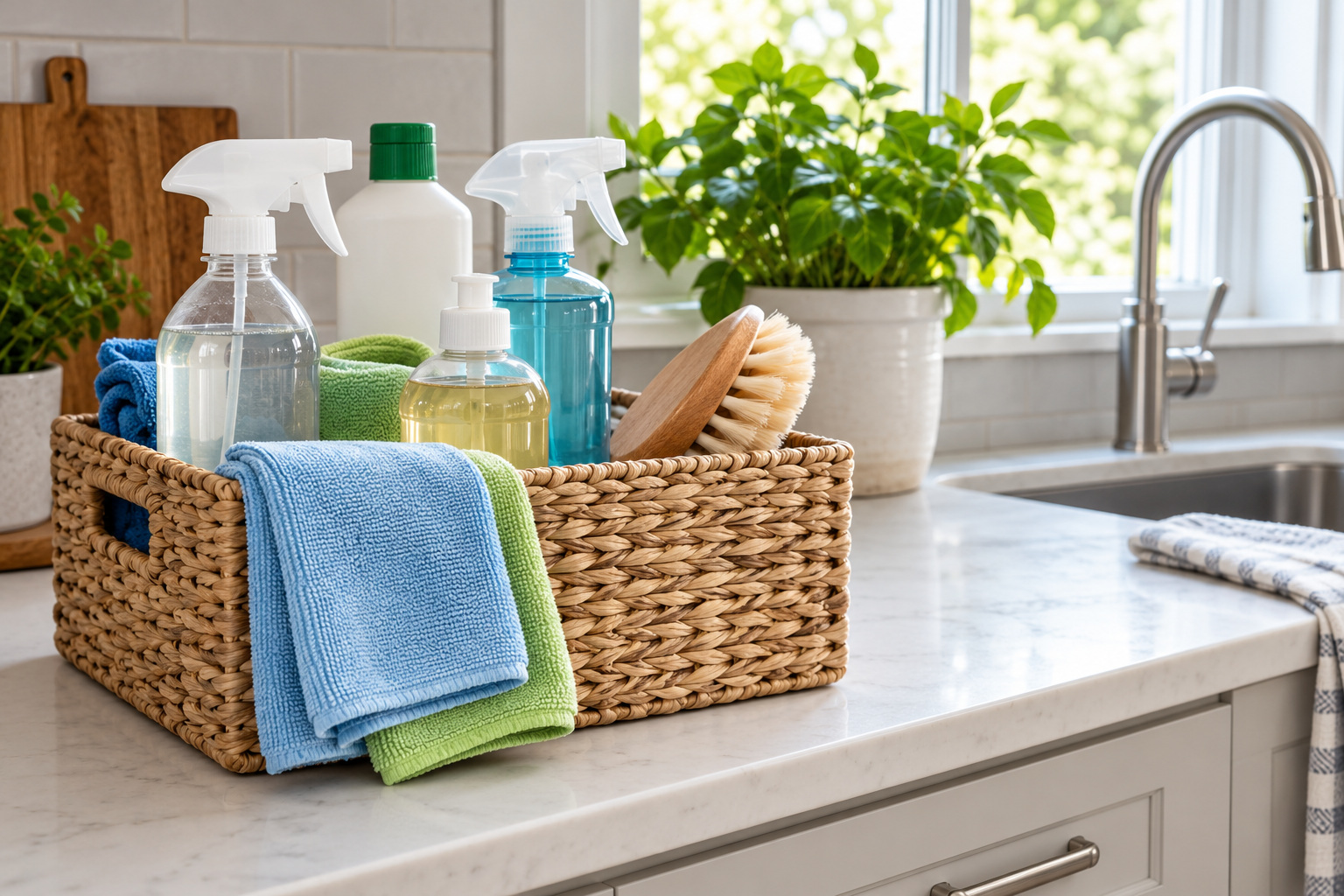
A manageable cleaning routine begins with the surfaces and activities in your home rather than a cupboard full of products. Identify the places that collect visible soil and the tasks that are repeatedly postponed. Separate ordinary cleaning from a need for a specific disinfecting process. A clear routine should make the home easier to care for without encouraging unnecessary chemical use or promises about eliminating every health risk.
Make a short list of materials before choosing products. Wood, stone, metal, painted finishes and fabrics can need different care. Check manufacturer guidance where available, particularly for unfamiliar or delicate surfaces. A product that is suitable for one item may damage another. Start with the least complicated appropriate approach and avoid treating stronger smell, more foam or a higher concentration as evidence of better cleaning.
Read the product label before use, including directions, compatibility and any precautions. Never improvise mixtures of cleaning products. Keep products in their original containers with labels intact, and store them appropriately away from children and pets. If instructions are unclear, obtain reliable guidance rather than guessing at a dilution or combining products. Homemade does not automatically mean harmless or suitable for every material.
Make the plan work in everyday life
Organise supplies so that routine tasks are easy to begin. Keep suitable cloths and tools available, and separate items used for different areas where that is appropriate. Allow reusable items to dry and follow their care instructions. A simple system that is maintained is more useful than a large collection of specialised tools whose purpose is forgotten. Replace worn items when they no longer perform their intended task.
Work around the room in a consistent order that suits the surfaces and the instructions you are following. Avoid moving dirt from one area to another or leaving a wet surface where somebody could slip. Keep access routes clear and do not overreach to clean a difficult area. Arrange suitable assistance for high, unstable or otherwise unsafe locations rather than making the task fit whatever equipment happens to be nearby.
Recurring stains, unusual smells or visible moisture may require investigation beyond cleaning. Record what returns, where it appears and whether it follows a particular event. A cosmetic improvement does not establish that an underlying cause has been resolved. Seek appropriate professional help for problems involving building materials, extensive contamination or vulnerable occupants rather than repeatedly applying a stronger product.
Set a schedule that reflects how the home is used. A busy entrance may need frequent attention, while another room can be reviewed less often. Divide a large task into small, clearly described actions and allow time for products or surfaces to dry as instructed. Review what is working after a few weeks. The goal is a practical routine that household members can follow safely, not an unrealistic standard of constant perfection.
Before committing to a project, make a short written brief and keep it with photographs, measurements and product information. Explain the desired result and the limits of the work. When another person is involved, agree what is included, who is responsible and how questions will be raised. A shared record makes a later conversation more useful than relying on memory.
Review the plan against the actual home and its occupants. Consider access, daily disruption, cleaning and future care alongside the initial appearance. Seek the appropriate professional help for work outside your competence. Manufacturer instructions, the property's condition and local requirements take priority over a general example. This guide is educational planning information, not a technical specification or an assessment of your property.
Keep a dated note of the decisions made during the project. Compare the finished result with the problem you originally wanted to solve. Ask for clarification before treating an assumption as an agreed instruction. Allow enough time to review information before ordering a permanent change. Store relevant instructions where the household can find them again. Check that the proposed work still serves the original practical need. Keep unanswered questions visible rather than disguising them as settled decisions. A small reversible improvement can provide useful evidence for a larger plan. Review the care required before deciding that a material suits your home. Discuss changes in scope before allowing them to become additional commitments. Keep the work area separate from ordinary household activity where necessary. Make the next action clear enough for the responsible person to complete. Record any limitation that affects how the result should be used. Give existing problems appropriate attention before adding a new decorative finish. Consider how a decision will work during an ordinary busy day. A tidy record helps future maintenance as well as the current project. Choose a realistic sequence rather than attempting unrelated tasks at once. Make sure everybody affected understands the practical arrangements for the project. Keep product references and relevant contact details with the final notes.
Related reading
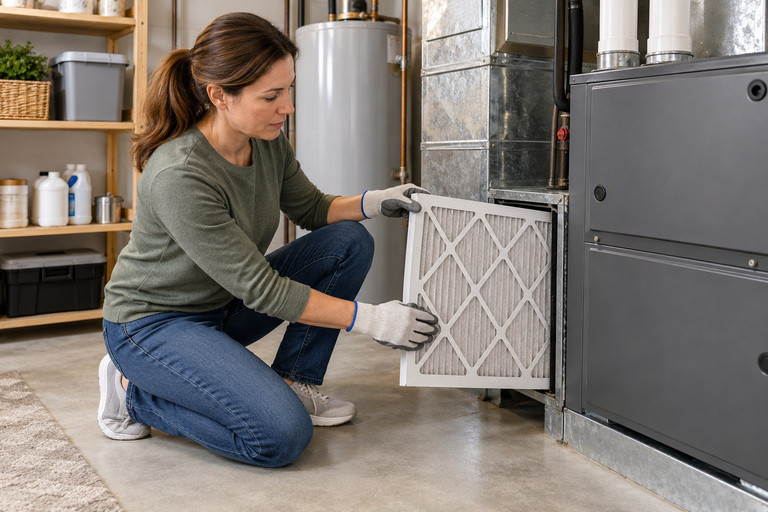
A Seasonal Home Maintenance Plan You Can Actually Use
Home maintenance becomes more manageable when it is treated as a recurring record rather than an occasional ambitious weekend. Begin with the house…
Read the guide →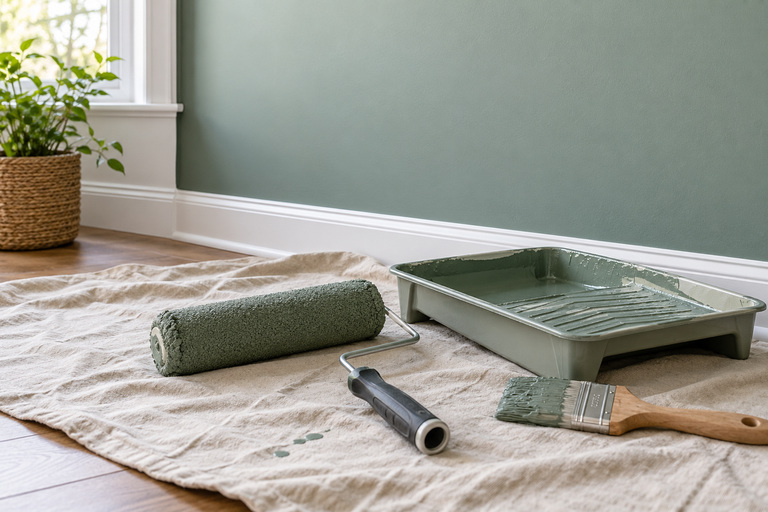
Plan a Painting Project for a More Consistent Finish
A painting project begins before a colour is applied. First decide what you want to change and examine the condition of the surface.…
Read the guide →
Create a Living Room That Feels Comfortable and Personal
A comfortable living room begins with what people actually do there. Reading, conversation, watching a screen, playing and working may need different arrangements.…
Read the guide →