
Create a Living Room That Feels Comfortable and Personal
Thoughtful planning for a home that works for you.
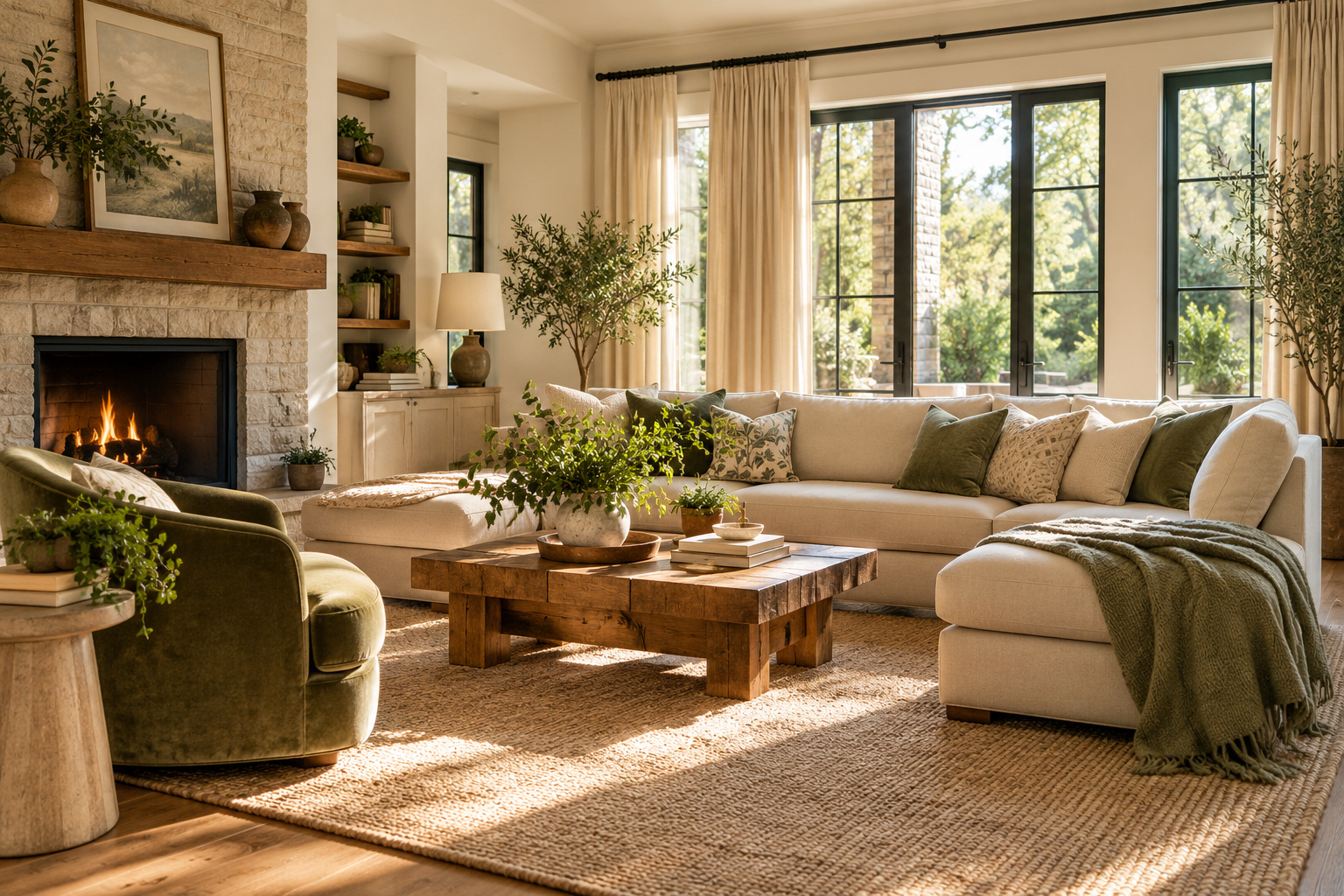
A comfortable living room begins with what people actually do there. Reading, conversation, watching a screen, playing and working may need different arrangements. Choose the activities that matter most and notice where they compete. A room can look well styled while leaving no comfortable place to sit or nowhere for an ordinary object. Use daily life as the starting point for the decorating plan.
Review the furniture you already own before adding more. Measure the room, the pieces that will remain and the routes used to move between doors and seats. Consider how drawers, recliners or other moving parts operate. An attractive arrangement in a photograph may not leave the access your household needs. A practical layout should work when people are present, not only when the room is empty.
Create a clear relationship between the main seats and the activity they support. Try a reversible arrangement before ordering a large piece. Moving a chair, reducing an oversized table or changing the position of a lamp can reveal what the room needs. Keep the experiment safe and preserve essential access. Do not assume that every wall needs furniture simply because there is space against it.
Make the plan work in everyday life
Use colour and texture to connect the room rather than making every object identical. Look at existing large surfaces first, including the floor and the main furniture. Introduce a small number of compatible elements and review them together in the room's light. Cushions, throws and artwork can test a direction without making a permanent change. Leave breathing room so that useful pieces and personal objects can be noticed.
Consider lighting as part of the activities rather than as a final ornament. An existing light may be adequate for moving through the room but uncomfortable for reading. Use suitable products according to their instructions and arrange cords so that they do not obstruct movement. Changes to fixed electrical installations require the appropriate competence. A decorating idea should not create an improvised electrical arrangement.
Make storage support the room rather than conceal its normal use completely. Give frequently handled items an accessible home, and choose a level of display that the household can maintain. Think about how surfaces will be cleaned and how easily furniture can be moved for routine care. A scheme that requires constant rearrangement may be less comfortable than a simpler one that allows ordinary life to happen.
Finish gradually. Live with the arrangement and notice where somebody chooses to sit, what remains awkward and which objects are actually used. Add personal items because they matter, not because a checklist suggests that a room is incomplete. A satisfying living room can change over time. Its success is the ease and welcome it offers its occupants, rather than a permanent resemblance to a staged photograph.
Before committing to a project, make a short written brief and keep it with photographs, measurements and product information. Explain the desired result and the limits of the work. When another person is involved, agree what is included, who is responsible and how questions will be raised. A shared record makes a later conversation more useful than relying on memory.
Review the plan against the actual home and its occupants. Consider access, daily disruption, cleaning and future care alongside the initial appearance. Seek the appropriate professional help for work outside your competence. Manufacturer instructions, the property's condition and local requirements take priority over a general example. This guide is educational planning information, not a technical specification or an assessment of your property.
Keep a dated note of the decisions made during the project. Compare the finished result with the problem you originally wanted to solve. Ask for clarification before treating an assumption as an agreed instruction. Allow enough time to review information before ordering a permanent change. Check that the proposed work still serves the original practical need. Keep unanswered questions visible rather than disguising them as settled decisions. A small reversible improvement can provide useful evidence for a larger plan. Review the care required before deciding that a material suits your home. Discuss changes in scope before allowing them to become additional commitments. Keep the work area separate from ordinary household activity where necessary. Avoid choosing a method solely because it appears quick in a short video. Make the next action clear enough for the responsible person to complete. Record any limitation that affects how the result should be used. Give existing problems appropriate attention before adding a new decorative finish. Consider how a decision will work during an ordinary busy day. A tidy record helps future maintenance as well as the current project. Return to the written brief when too many options make comparison difficult. Choose a realistic sequence rather than attempting unrelated tasks at once. Leave room to adjust the plan when reliable new information becomes available.
Related reading

Design a Home Layout Around Everyday Movement
A useful home layout supports the movement and activities that happen every day. Begin by tracing a few ordinary routines: entering with shopping,…
Read the guide →
Choose Flooring Around Real Everyday Use
Flooring is part of almost every movement through a home, so the choice should begin with everyday use. Describe the room, the people…
Read the guide →
Plan a Painting Project for a More Consistent Finish
A painting project begins before a colour is applied. First decide what you want to change and examine the condition of the surface.…
Read the guide →