
Design a Home Layout Around Everyday Movement
Thoughtful planning for a home that works for you.
A useful home layout supports the movement and activities that happen every day. Begin by tracing a few ordinary routines: entering with shopping, preparing a meal, carrying laundry or finding a quiet place to work. Notice where routes cross and where objects interrupt them. A plan becomes more meaningful when it describes how a home works rather than only the outline of its rooms.
Create an accurate record of the existing space. Include openings, fixed fittings and the way doors operate, then add the furniture that matters to the household. Distinguish dimensions you have checked from rough assumptions. A diagram is a tool for asking questions, not proof that a structural or service change is possible. Technical proposals need the relevant professional input and local approvals.
Separate movement from the places where people pause. A chair may fit physically while leaving the person seated in the main route through the room. A useful work area may become awkward when somebody needs to reach storage behind it. Test arrangements with the household's actual needs in mind, including visitors or people who use space differently. Avoid treating a single idealised occupant as the measure of every decision.
Make the plan work in everyday life
Consider what each room must hold. Storage needs are easier to address when their contents are listed rather than estimated from a picture. Think about the point at which an object is used and where it returns afterwards. Good placement can reduce unnecessary movement without adding a large quantity of fitted furniture. Leave enough flexibility for routines and possessions to change over time.
Review the relationship between light, privacy and activity. A bright area might be attractive but uncomfortable for a particular screen position. A route to the garden may make a quiet work corner less suitable. Observe conditions at different times before assigning a permanent purpose. These practical observations help refine a plan without requiring a claim that one compass direction or room shape is universally best.
Try reversible experiments before committing to fixed changes. Mark the footprint of a proposed item, move an existing piece or temporarily simplify a busy area. Check the result during normal use and note what improves. Keep access and safety in mind throughout. Changes involving structure, escape arrangements, fixed services or significant building work should be assessed by appropriately qualified people rather than tested informally.
Evaluate the layout against the original routines. Is carrying something through the room easier? Can a person use a seat or a storage area without asking everyone else to move? Is there an obvious place for the objects that previously collected in a passage? A thoughtful plan does not need to use every corner intensely. Space that allows comfortable movement is doing useful work even when it contains nothing new.
Before committing to a project, make a short written brief and keep it with photographs, measurements and product information. Explain the desired result and the limits of the work. When another person is involved, agree what is included, who is responsible and how questions will be raised. A shared record makes a later conversation more useful than relying on memory.
Review the plan against the actual home and its occupants. Consider access, daily disruption, cleaning and future care alongside the initial appearance. Seek the appropriate professional help for work outside your competence. Manufacturer instructions, the property's condition and local requirements take priority over a general example. This guide is educational planning information, not a technical specification or an assessment of your property.
Keep a dated note of the decisions made during the project. Compare the finished result with the problem you originally wanted to solve. Ask for clarification before treating an assumption as an agreed instruction. Allow enough time to review information before ordering a permanent change. Check that the proposed work still serves the original practical need. Keep unanswered questions visible rather than disguising them as settled decisions. A small reversible improvement can provide useful evidence for a larger plan. Review the care required before deciding that a material suits your home. Discuss changes in scope before allowing them to become additional commitments. Keep the work area separate from ordinary household activity where necessary. Avoid choosing a method solely because it appears quick in a short video. Make the next action clear enough for the responsible person to complete. Record any limitation that affects how the result should be used. Give existing problems appropriate attention before adding a new decorative finish. A tidy record helps future maintenance as well as the current project. Return to the written brief when too many options make comparison difficult. Leave room to adjust the plan when reliable new information becomes available. A useful question is often more valuable than an unsupported confident answer. Protect the parts of the home that will remain unchanged during the work.
Related reading
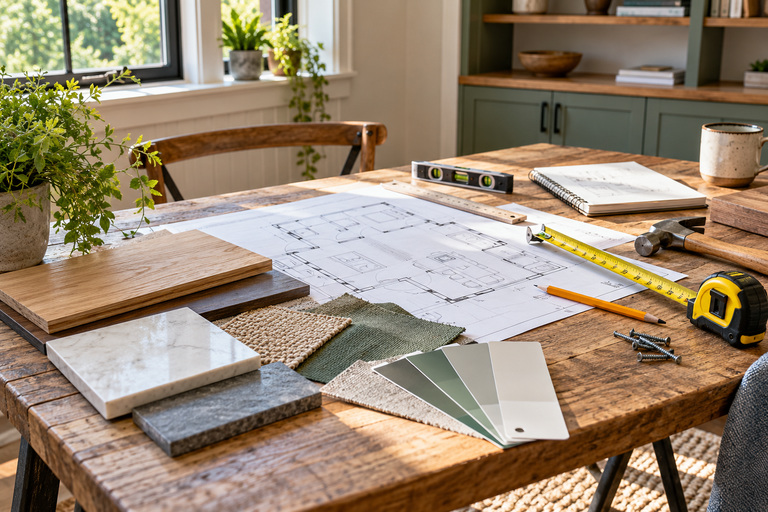
Plan Home Improvements Around the Way You Live
A useful home improvement begins with a specific frustration rather than a shopping list. Perhaps the entrance has nowhere for wet shoes, the…
Read the guide →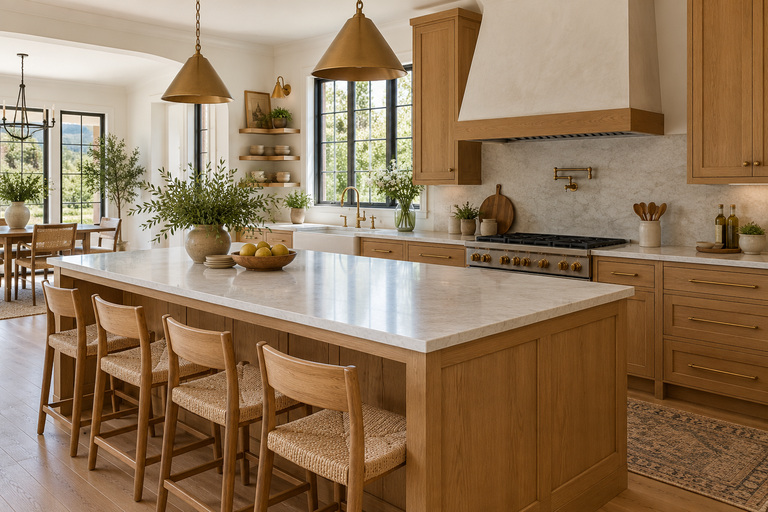
Planning a Kitchen Renovation Before Work Begins
A kitchen renovation is easier to discuss when you begin with how meals, cleaning and storage happen now. Note which tasks compete for…
Read the guide →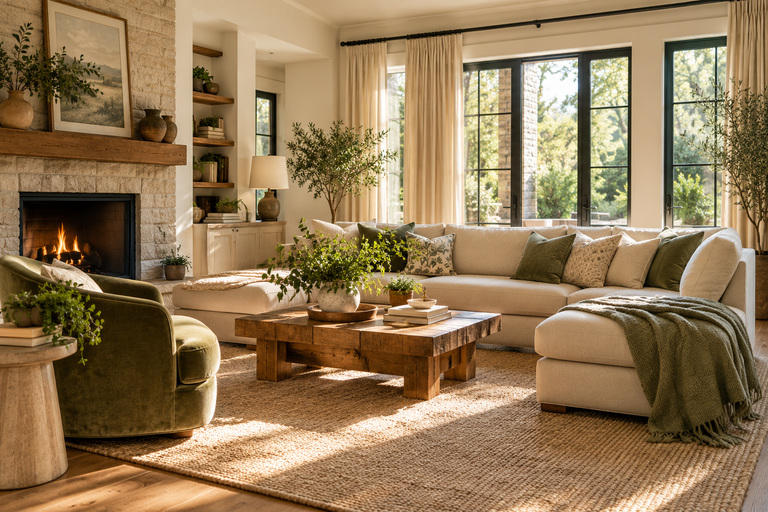
Create a Living Room That Feels Comfortable and Personal
A comfortable living room begins with what people actually do there. Reading, conversation, watching a screen, playing and working may need different arrangements.…
Read the guide →