
Plan Home Improvements Around the Way You Live
Thoughtful planning for a home that works for you.
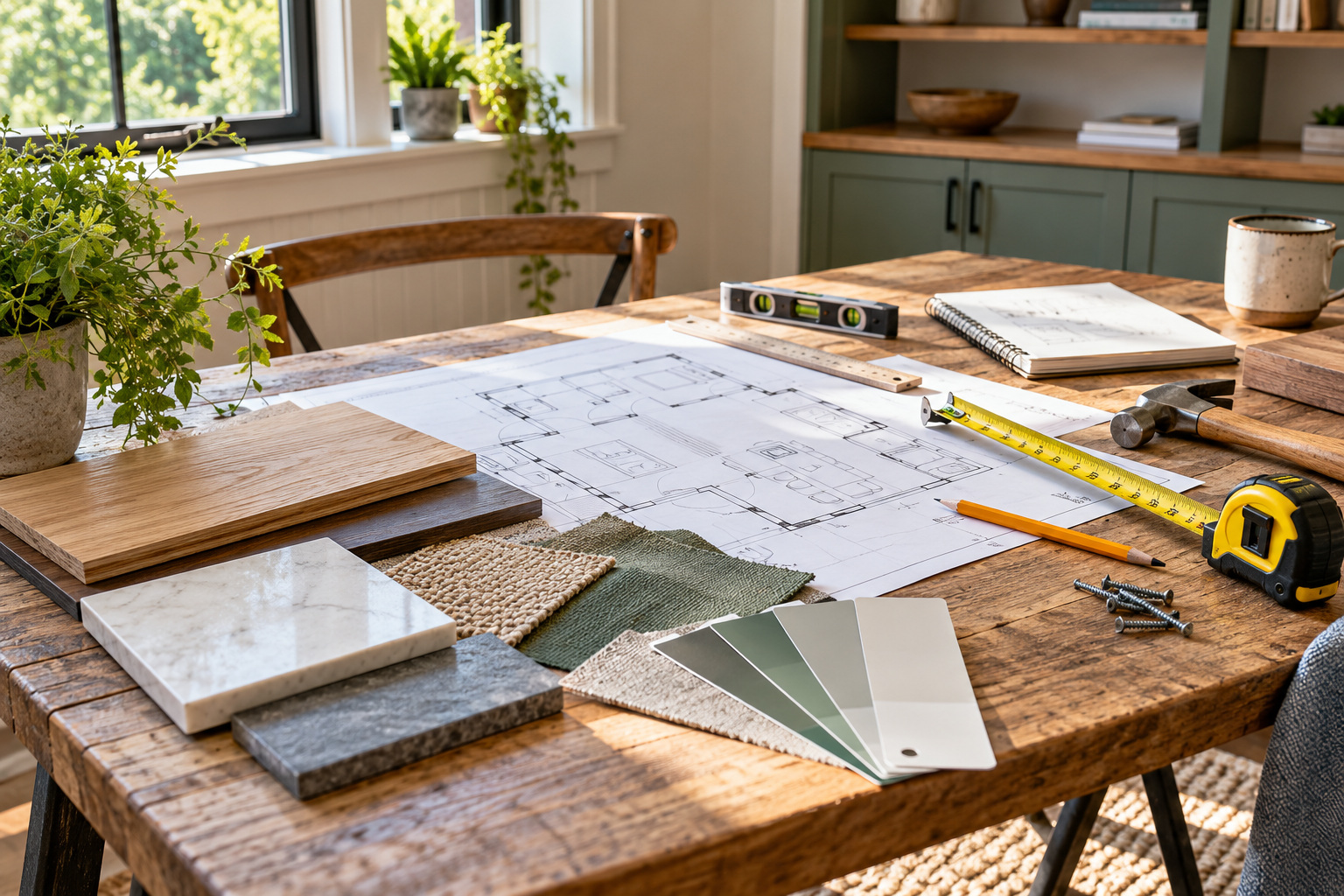
A useful home improvement begins with a specific frustration rather than a shopping list. Perhaps the entrance has nowhere for wet shoes, the living room is difficult to move through, or a work surface is always crowded. Describe what happens during an ordinary day. A clear account of the problem gives the project a purpose that a photograph of an attractive room cannot provide.
Walk through the space at different times and notice how people use it. Record where bags collect, which seats remain empty and what makes a task awkward. Separate an occasional inconvenience from a recurring difficulty. Ask other household members what they experience before deciding that everyone needs the same change. The most visible problem is not always the most important one.
Group possible improvements into function, condition and appearance. A worn finish may be cosmetic, while an unexplained damp patch deserves investigation before decorating. A better storage arrangement might solve a circulation problem without moving a wall. Treat structural, electrical, gas and other specialist work as a different undertaking from choosing furnishings. Obtain appropriate professional assessment rather than allowing a cosmetic plan to conceal an unresolved defect.
Make the plan work in everyday life
Make a small brief with the desired result, the available space and the limits you need to respect. Include a realistic spending ceiling and the disruption the household can manage. Note which existing objects will remain. Measurements should account for doors, windows, fixed fittings and routes through the room, not simply the empty floor area. A plan that works only when nobody is using the space is incomplete.
Compare options by their complete effect. A cheaper item can require extra preparation, delivery or installation, while an expensive feature may contribute little to the original problem. Ask how each option will be cleaned, repaired and used by the people who live there. Consider reach, comfort and changing needs alongside appearance. Keep a record of assumptions so that later decisions do not quietly expand the project.
Try reversible changes first when they can test an idea safely. Reposition a table, mark a proposed storage footprint with removable tape or reduce the number of objects in a busy corner. Live with the arrangement before buying permanent fittings. A successful experiment should make the next decision clearer; it does not need to resemble a finished magazine photograph.
At completion, compare daily life with the original brief. Is the entrance easier to use? Can a chair move without blocking a route? Have you made routine cleaning simpler? Keep product information and maintenance instructions with the project record. A thoughtful improvement earns its place through repeated usefulness, not through the number of new things added to the room.
Before committing to a project, make a short written brief and keep it with photographs, measurements and product information. Explain the desired result and the limits of the work. When another person is involved, agree what is included, who is responsible and how questions will be raised. A shared record makes a later conversation more useful than relying on memory.
Review the plan against the actual home and its occupants. Consider access, daily disruption, cleaning and future care alongside the initial appearance. Seek the appropriate professional help for work outside your competence. Manufacturer instructions, the property's condition and local requirements take priority over a general example. This guide is educational planning information, not a technical specification or an assessment of your property.
Keep a dated note of the decisions made during the project. Compare the finished result with the problem you originally wanted to solve. Ask for clarification before treating an assumption as an agreed instruction. Allow enough time to review information before ordering a permanent change. Store relevant instructions where the household can find them again. Check that the proposed work still serves the original practical need. Keep unanswered questions visible rather than disguising them as settled decisions. A small reversible improvement can provide useful evidence for a larger plan. Review the care required before deciding that a material suits your home. Discuss changes in scope before allowing them to become additional commitments. Keep the work area separate from ordinary household activity where necessary. Make the next action clear enough for the responsible person to complete. Record any limitation that affects how the result should be used. Give existing problems appropriate attention before adding a new decorative finish. Consider how a decision will work during an ordinary busy day. A tidy record helps future maintenance as well as the current project. Return to the written brief when too many options make comparison difficult. Choose a realistic sequence rather than attempting unrelated tasks at once. Make sure everybody affected understands the practical arrangements for the project. Keep product references and relevant contact details with the final notes. Compare complete proposals instead of comparing a single attractive headline.
Related reading
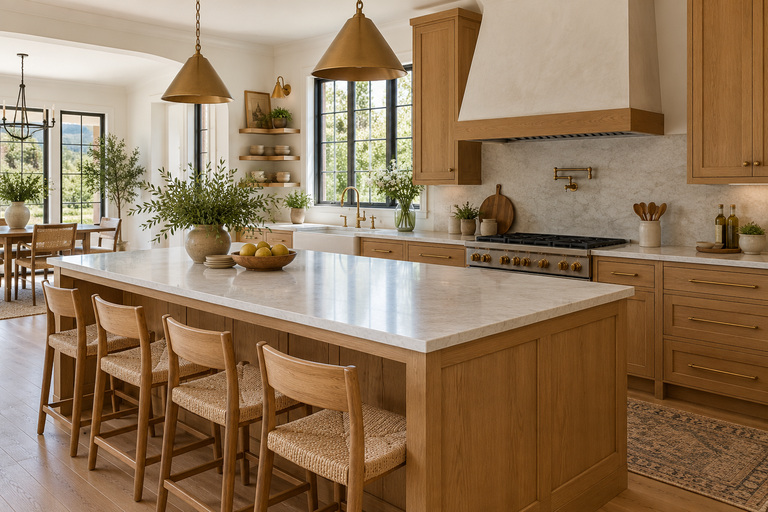
Planning a Kitchen Renovation Before Work Begins
A kitchen renovation is easier to discuss when you begin with how meals, cleaning and storage happen now. Note which tasks compete for…
Read the guide →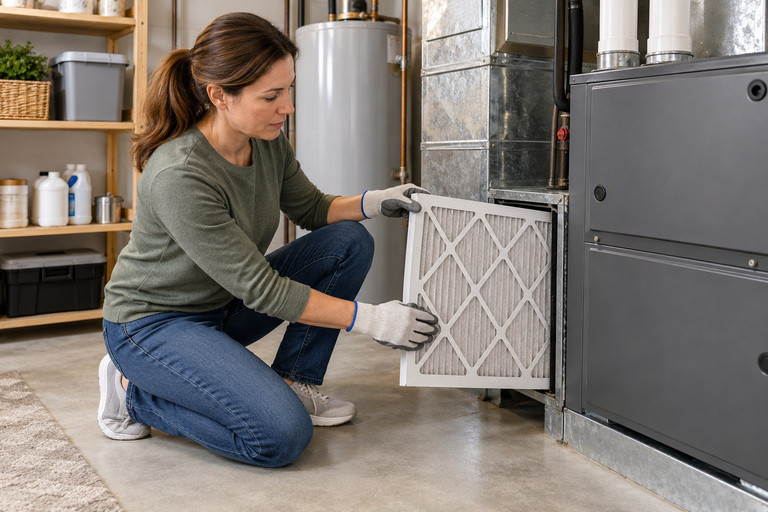
A Seasonal Home Maintenance Plan You Can Actually Use
Home maintenance becomes more manageable when it is treated as a recurring record rather than an occasional ambitious weekend. Begin with the house…
Read the guide →
Design a Home Layout Around Everyday Movement
A useful home layout supports the movement and activities that happen every day. Begin by tracing a few ordinary routines: entering with shopping,…
Read the guide →