
Choose Flooring Around Real Everyday Use
Thoughtful planning for a home that works for you.

Flooring is part of almost every movement through a home, so the choice should begin with everyday use. Describe the room, the people who use it and the conditions the surface will face. An entrance, a quiet bedroom and a frequently cleaned kitchen create different demands. A finish chosen only from a small attractive sample can disappoint if the wider setting is overlooked.
List practical priorities before comparing colours. Consider comfort, cleaning, moisture exposure, sound and the way furniture moves. Think about access needs and transitions between rooms. No single material offers the same balance in every setting. Use product information and appropriate professional advice to check suitability rather than relying on a broad label such as durable, waterproof or maintenance free.
Look at samples in the actual room under changing light. Place them beside adjoining surfaces and view them from the positions used most often. A sample held upright can look different from the same finish seen across a floor. Ask how variations in pattern or natural material will appear over a larger area. Photographs may not represent colour or texture accurately enough for a final decision.
Make the plan work in everyday life
Discuss the existing base with a suitable installer before treating the new finish as the whole project. Preparation, levels, moisture conditions and compatibility can affect what is appropriate. Do not cover an unexplained problem simply to create a smooth appearance. Removal of old materials may also need specialist assessment. A general article cannot identify hazardous materials or establish a safe method for disturbing them.
Ask about the complete installation and ongoing care. Clarify which preparation, underlay, trims and transitions are included, and how the proposed work affects doors or fixed fittings. Product warranties may have specific conditions that should be read rather than assumed. Keep the relevant instructions with the estimate so that a choice made during selection does not conflict with the eventual installation method.
Plan for the household while the work takes place. Agree how rooms will be cleared, how access will be managed and when the surface can be used according to the applicable instructions. Protect routes through other areas and leave suitable time for the process. A rushed return of heavy furniture or inappropriate cleaning can undermine a finish that was otherwise installed correctly.
Once the floor is in use, follow its own care guidance rather than a routine borrowed from another material. Review suitable furniture protection and how to deal with ordinary dirt or spills. Keep spare material if appropriate and record the product details. A good floor supports the way the home is lived in, with a clear understanding of both its strengths and its limitations.
Before committing to a project, make a short written brief and keep it with photographs, measurements and product information. Explain the desired result and the limits of the work. When another person is involved, agree what is included, who is responsible and how questions will be raised. A shared record makes a later conversation more useful than relying on memory.
Review the plan against the actual home and its occupants. Consider access, daily disruption, cleaning and future care alongside the initial appearance. Seek the appropriate professional help for work outside your competence. Manufacturer instructions, the property's condition and local requirements take priority over a general example. This guide is educational planning information, not a technical specification or an assessment of your property.
Keep a dated note of the decisions made during the project. Compare the finished result with the problem you originally wanted to solve. Ask for clarification before treating an assumption as an agreed instruction. Allow enough time to review information before ordering a permanent change. Store relevant instructions where the household can find them again. Check that the proposed work still serves the original practical need. Keep unanswered questions visible rather than disguising them as settled decisions. A small reversible improvement can provide useful evidence for a larger plan. Review the care required before deciding that a material suits your home. Discuss changes in scope before allowing them to become additional commitments. Keep the work area separate from ordinary household activity where necessary. Make the next action clear enough for the responsible person to complete. Record any limitation that affects how the result should be used. Give existing problems appropriate attention before adding a new decorative finish. Consider how a decision will work during an ordinary busy day. A tidy record helps future maintenance as well as the current project. Return to the written brief when too many options make comparison difficult. Choose a realistic sequence rather than attempting unrelated tasks at once. Leave room to adjust the plan when reliable new information becomes available. A useful question is often more valuable than an unsupported confident answer. Make sure everybody affected understands the practical arrangements for the project.
Related reading
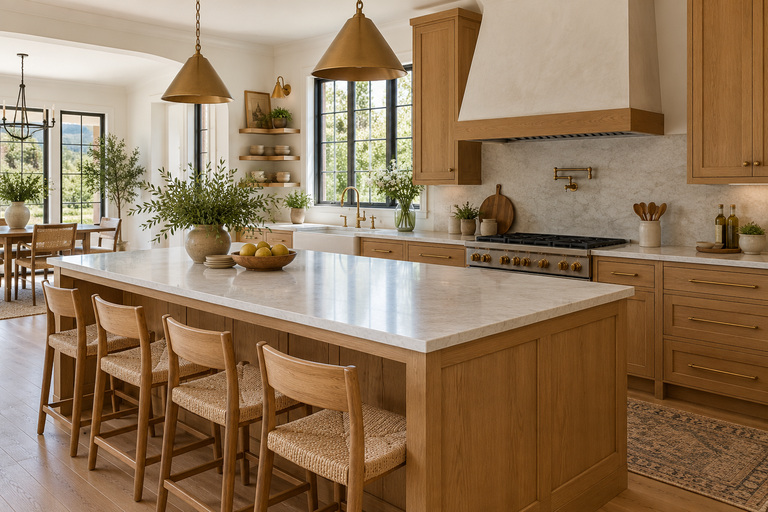
Planning a Kitchen Renovation Before Work Begins
A kitchen renovation is easier to discuss when you begin with how meals, cleaning and storage happen now. Note which tasks compete for…
Read the guide →
Build a Simple and Safer Home Cleaning Routine
A manageable cleaning routine begins with the surfaces and activities in your home rather than a cupboard full of products. Identify the places…
Read the guide →
Create a Living Room That Feels Comfortable and Personal
A comfortable living room begins with what people actually do there. Reading, conversation, watching a screen, playing and working may need different arrangements.…
Read the guide →