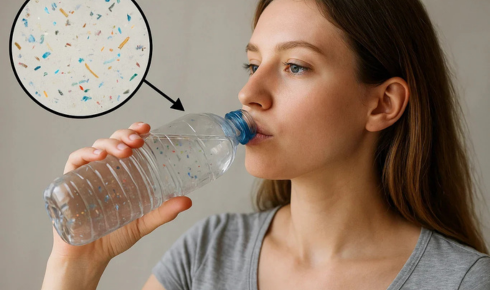
There’s a point—quiet, almost forgettable—when you start noticing your water. Not in a dramatic way, just small things. A taste that lingers a bit too long. Soap that doesn’t quite lather. That faint film on your glassware that seems to come back no matter how carefully you wash it.
Most people shrug it off at first. Life’s busy, and water isn’t exactly top of mind. But over time, those little details build into a question: is this just how it is, or could it actually be better?
The Subtle Clues We Learn to Ignore
Water rarely announces problems loudly. It doesn’t break down like an appliance or stop working entirely. Instead, it changes—slightly, gradually.
- The Quiet Difference Better Water Can Make in Your Home
- When Plumbing Problems Feel Personal: Finding the Right Help Without the Stress
- The Quiet Fixes That Make a Home Feel Warmer, Tighter, and More Thoughtful
- When Your Water Tells a Story: Solving Iron Stains, Rotten Egg Smells, and That Pool-Like Taste
- Why Twin Tank Water Softeners Are Gaining Attention in Hard Water Homes
Maybe your skin feels a bit dry after showers. Maybe your kettle needs descaling more often than it used to. Or you notice that your morning coffee tastes different, even though you haven’t changed anything else.
These aren’t emergencies. But they’re signals.
And once you start paying attention, you realize your water isn’t as neutral as you thought.
When Taste Becomes the Turning Point
For many people, it’s the taste that triggers action. Water should feel clean, almost invisible on the palate. When it doesn’t, it’s hard to ignore.
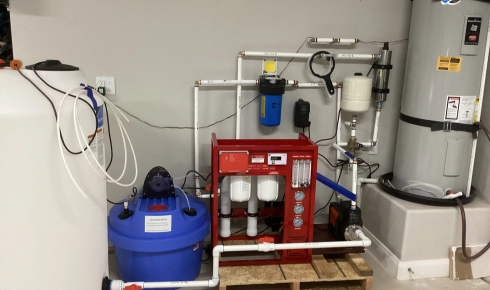
That’s where reverse osmosis systems often come into the conversation. They’re designed to filter water at a deeper level, removing impurities that affect both taste and clarity.
It’s not about making water “perfect”—that’s a loaded word. It’s about bringing it closer to what you expect. Crisp, clean, and consistent.
And interestingly, once you get used to that level of clarity, it becomes your new baseline. Anything less feels… off.
The Feel of Water Matters More Than We Admit
Taste is one thing, but feel is another.
If you’ve ever stepped out of the shower and felt like there’s a residue on your skin, you’re not imagining it. Hard water—rich in minerals like calcium and magnesium—can interfere with how soap works, leaving behind a subtle layer.
Over time, it shows up in other ways too. Stiff laundry. Spotty dishes. Fixtures that lose their shine faster than they should.
This is where water softener systems come into play. They don’t just improve how water feels—they change how it interacts with everything in your home.
It’s one of those upgrades that doesn’t scream for attention. But quietly, it makes everyday routines smoother.
Looking at the Bigger Picture
At some point, you might start thinking beyond individual fixes. Instead of addressing one issue at a time—taste here, residue there—you begin to wonder if there’s a more complete approach.
That’s where whole house water treatment becomes relevant.
Rather than targeting a single tap or appliance, it looks at your water as a system. Every outlet, every use, every interaction.
It’s a bigger step, sure. But for some homes, it simplifies everything. One solution instead of multiple smaller ones.
And once it’s in place, the benefits ripple through your daily life in ways you don’t always expect.
Choosing What Actually Makes Sense
It’s easy to get overwhelmed by options. Filters, softeners, full systems—it can start to feel like a lot.
But the truth is, not every home needs everything.
The key is understanding your specific situation. What are you noticing? What’s bothering you? What’s worth improving?
For some, it’s about drinking water. For others, it’s about protecting appliances or improving skin and hair. There’s no universal answer—just the one that fits your needs.
The Role of Good Advice
Let’s be honest—most of us aren’t experts in water systems. We rely on professionals to help us figure things out.
But good advice doesn’t push you toward the most expensive option. It helps you understand your choices. It explains what each solution does, and more importantly, what it doesn’t do.
That kind of clarity makes decision-making easier. It turns a confusing process into something manageable.
Small Changes, Lasting Impact
What’s surprising is how much impact water can have over time.
Better water can extend the life of your appliances. It can reduce maintenance. It can even change how your home feels—subtly, but noticeably.
And once those improvements settle in, they become part of your routine. You stop thinking about them, not because they don’t matter, but because they’re working exactly as they should.
Final Thoughts
Water is one of those constants in life. It’s always there, always flowing, always part of what we do every day.
But when you take a closer look—when you notice the taste, the feel, the little inconsistencies—you realize it’s not as simple as it seems.
Improving it doesn’t have to be complicated. It starts with awareness, a bit of curiosity, and a willingness to ask, “Could this be better?”
Because sometimes, the smallest changes—ones you barely think about—can make the biggest difference in how your home feels.