Most home upgrades are easy to see. New flooring, fresh paint, better lighting, a nicer kitchen faucet — they all announce themselves. Water, on the other hand, is quieter. It moves through the walls, fills glasses, runs showers, washes clothes, and keeps appliances working. You don’t really admire it. You just expect it to be right.
But when water quality is poor, it starts showing up in small, irritating ways. The coffee tastes flat. The shower leaves skin feeling dry. The sink gets cloudy marks again, even though you cleaned it two days ago. Maybe the water smells a bit like chlorine, or the ice cubes carry a strange aftertaste. None of it feels dramatic at first, but over time, these little things become part of daily life.
They don’t have to be.
- When Water Stops Feeling Neutral: Rethinking What Flows Through Your Home
- When Plumbing Problems Feel Personal: Finding the Right Help Without the Stress
- The Quiet Fixes That Make a Home Feel Warmer, Tighter, and More Thoughtful
- When Your Water Tells a Story: Solving Iron Stains, Rotten Egg Smells, and That Pool-Like Taste
- Why Twin Tank Water Softeners Are Gaining Attention in Hard Water Homes
Why Water Quality Matters Around the House
Water is used in almost every room. It affects what you drink, how your laundry feels, how clean your dishes look, and how long some appliances may last. So when your water carries excess minerals, sediment, chlorine, or other unwanted substances, the impact can stretch much further than the kitchen tap.
This is why many homeowners eventually start looking into home water improvement. It’s not only about luxury or convenience. It’s about making everyday routines feel cleaner, easier, and more dependable. Better water can support plumbing, protect fixtures, and help create a more comfortable living environment.
The interesting thing is, most people don’t realise how much their water has been affecting them until they experience the difference.
Taste Is Usually the First Clue
For many families, taste is the reason they begin asking questions. If tap water has a metallic, earthy, salty, or chemical taste, people naturally avoid it. They buy bottled water, install a small pitcher filter, or simply drink less water than they should.
That’s a shame, really, because good tap water should be easy to enjoy. It should taste fresh enough for drinking, cooking, coffee, tea, and even making ice.
A properly selected treatment system can help provide better tasting water by reducing the elements that cause unpleasant flavors and odors. That may include chlorine, sediment, certain minerals, or other compounds depending on the local supply. Once the taste improves, people often drink more water at home without thinking about it.
And yes, your coffee may improve too. Sometimes dramatically.
What Might Be Hiding in the Water?
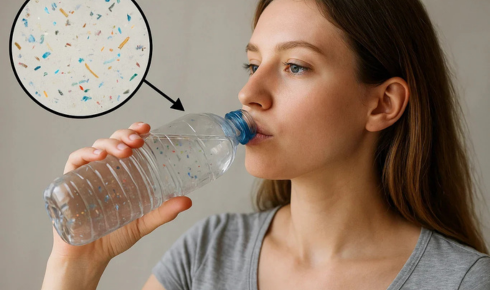
Not every water issue is visible. Some problems show up as stains, smells, scale, or cloudy glasses. Others are harder to detect without testing. That’s why guessing is not always the best approach.
Water can vary from one area to another, and even from one home to the next. City water may contain disinfectants used during treatment. Well water may carry minerals, iron, sediment, or naturally occurring substances from the ground. Older plumbing can also affect what reaches the tap.
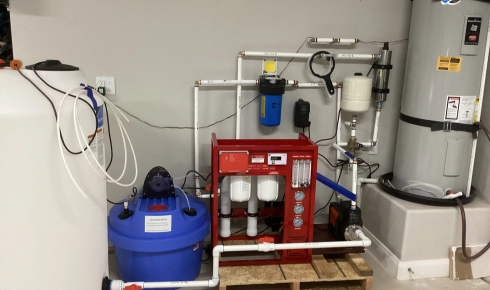
This is where contaminant removal becomes an important part of water treatment. The right system can be designed to reduce specific unwanted substances, rather than offering a one-size-fits-all fix. Testing first helps identify what needs attention, so the solution actually matches the problem.
Hard Water and Everyday Frustration
Hard water is one of the most common complaints homeowners deal with. It’s caused by minerals like calcium and magnesium. While it may not always look alarming, it can create buildup around faucets, showerheads, tiles, and glass.
It can also make soap less effective. That’s why shampoo may not rinse cleanly, laundry may feel rough, and dishes may come out spotted. Over time, mineral scale can collect inside appliances like water heaters and dishwashers, making them work harder than they should.
A water softening system can help reduce these minerals and make the home easier to maintain. It’s not the kind of improvement guests will notice right away, but you will — especially when cleaning takes less effort.
Choosing the Right Treatment Approach
The best water treatment setup depends on your home’s actual water conditions. Some homes need filtration. Some need softening. Some need a drinking water system at one sink, while others benefit from whole-home treatment.
A professional water test can remove a lot of uncertainty. Instead of buying random filters and hoping they work, you get a clear picture of what’s in the water. From there, it becomes much easier to choose the right equipment.
Maintenance also matters. Filters need replacing. Softeners may need salt. Some systems require periodic checks. A good setup should fit your household habits, not become another complicated chore.
Better Water Is a Practical Kind of Comfort
The value of improved water isn’t always loud. It’s found in cleaner dishes, softer laundry, fresher drinks, smoother showers, and fewer annoying stains around the house. It may also help appliances run more efficiently and reduce the need for constant scrubbing.
In the end, better water simply makes the home feel better. Not in a dramatic, showroom kind of way. More like a quiet relief. The glass tastes right. The shower feels cleaner. The kettle doesn’t smell strange. The little frustrations fade.
And for something your home uses every single day, that’s a pretty meaningful upgrade.