
Plan a Garden That Fits Your Space and Your Time
Thoughtful planning for a home that works for you.
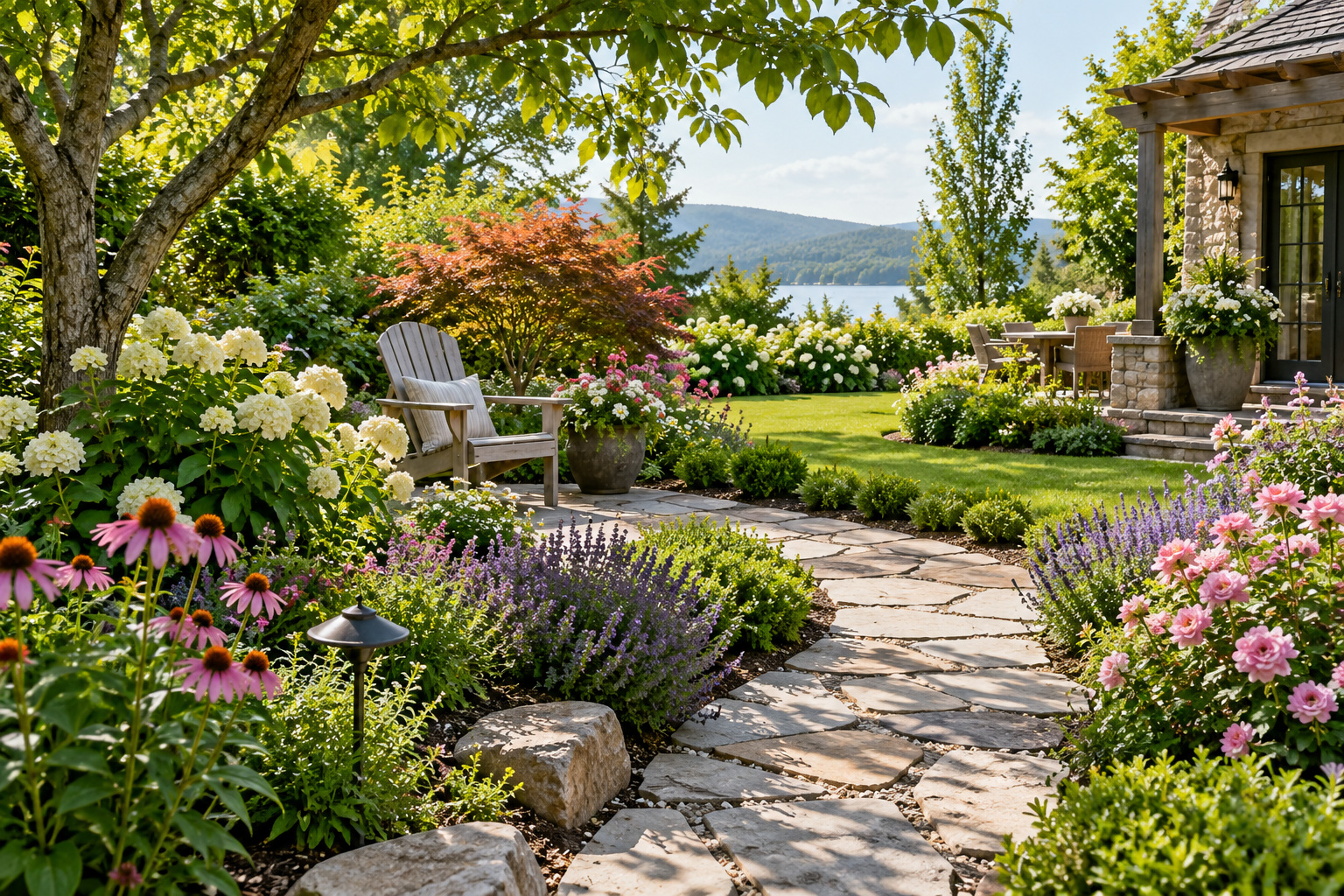
A garden is easier to enjoy when its plan reflects both the site and the time available to look after it. Begin with what you want to do outside: sit quietly, grow food, provide space for play or enjoy planting from indoors. These uses can coexist, but they compete for space. Write down the most important purpose before collecting images of gardens with very different conditions.
Observe the site at several times of day. Note where light falls, which areas feel exposed and where water tends to remain after rain. Consider the view from the house as well as movement through the garden. A pleasant place to sit may need a different position from a productive planting area. Record what you notice before deciding that a plant or feature is suitable.
Match planting choices to the conditions rather than trying to make the whole garden imitate a favourite photograph. Ask a reliable local nursery or appropriate gardening resource about the climate, soil and exposure involved. Consider the mature size of plants and the space they will need. A small plant in a container can be misleading if its later growth is ignored when arranging a border.
Make the plan work in everyday life
Plan access for ordinary care. Think about reaching plants, moving tools, carrying water and keeping paths usable. Avoid placing a maintenance-intensive feature where it is difficult to reach safely. Any changes to levels, retaining structures or significant drainage should be assessed appropriately. Check for relevant permissions and underground services before arranging ground disturbance; a garden sketch does not establish what is beneath the surface.
Create structure before filling every gap. Decide how the main planting areas, seating and paths relate to each other. Repetition of a few suitable plants can make a space feel coherent, but variety can be introduced through seasonal interest and texture. Leave room for learning. An initially modest planting plan can be adjusted more thoughtfully than a crowded arrangement that needs immediate correction.
Consider the ongoing work honestly. Containers, lawns, hedges and borders each create different responsibilities, and low maintenance does not mean no maintenance. Choose a scale that fits the household and local conditions. Keep a simple record of what was planted, where it came from and how it performed. Observe before replacing a struggling plant with another that may face the same difficulty.
Review the garden across more than one season. Notice which areas are used, where a path feels awkward and what looks attractive from inside during less inviting weather. Make small changes based on those observations. A satisfying garden develops through care and adjustment. The aim is a place that fits the home and its occupants, not a fixed image that must be preserved regardless of how the space is lived in.
Before committing to a project, make a short written brief and keep it with photographs, measurements and product information. Explain the desired result and the limits of the work. When another person is involved, agree what is included, who is responsible and how questions will be raised. A shared record makes a later conversation more useful than relying on memory.
Review the plan against the actual home and its occupants. Consider access, daily disruption, cleaning and future care alongside the initial appearance. Seek the appropriate professional help for work outside your competence. Manufacturer instructions, the property's condition and local requirements take priority over a general example. This guide is educational planning information, not a technical specification or an assessment of your property.
Keep a dated note of the decisions made during the project. Compare the finished result with the problem you originally wanted to solve. Ask for clarification before treating an assumption as an agreed instruction. Allow enough time to review information before ordering a permanent change. Check that the proposed work still serves the original practical need. Keep unanswered questions visible rather than disguising them as settled decisions. A small reversible improvement can provide useful evidence for a larger plan. Review the care required before deciding that a material suits your home. Discuss changes in scope before allowing them to become additional commitments. Keep the work area separate from ordinary household activity where necessary. Avoid choosing a method solely because it appears quick in a short video. Make the next action clear enough for the responsible person to complete. Record any limitation that affects how the result should be used. A tidy record helps future maintenance as well as the current project. Return to the written brief when too many options make comparison difficult. Leave room to adjust the plan when reliable new information becomes available. A useful question is often more valuable than an unsupported confident answer. Protect the parts of the home that will remain unchanged during the work. Take care not to turn a convenient shortcut into a new problem.
Related reading

A Seasonal Home Maintenance Plan You Can Actually Use
Home maintenance becomes more manageable when it is treated as a recurring record rather than an occasional ambitious weekend. Begin with the house…
Read the guide →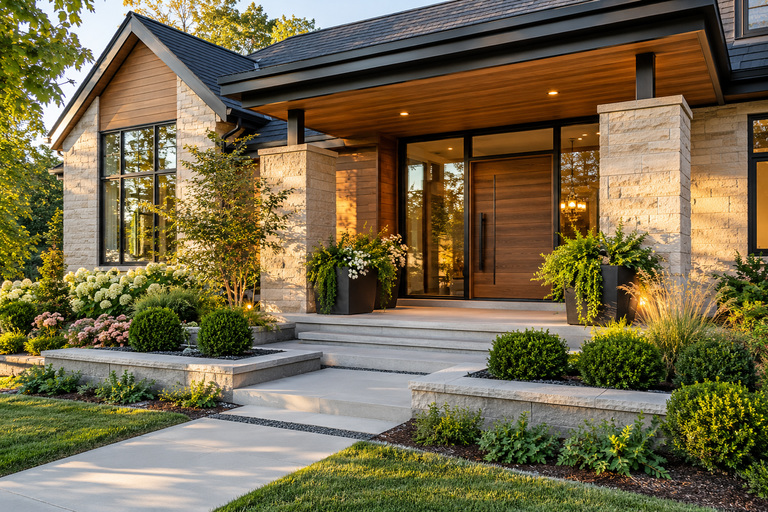
Design a Home Layout Around Everyday Movement
A useful home layout supports the movement and activities that happen every day. Begin by tracing a few ordinary routines: entering with shopping,…
Read the guide →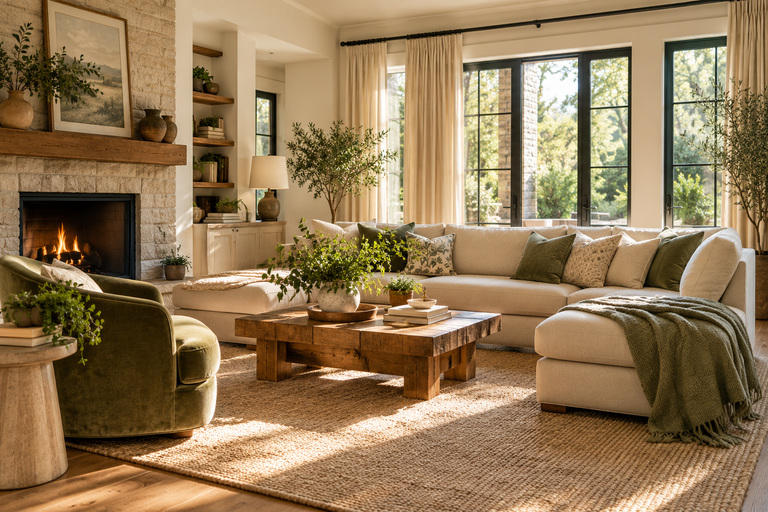
Create a Living Room That Feels Comfortable and Personal
A comfortable living room begins with what people actually do there. Reading, conversation, watching a screen, playing and working may need different arrangements.…
Read the guide →