
If you’ve ever lived in Florida—or even visited—you might have noticed something unusual about the water. You turn on the tap, pour yourself a glass, and there’s a hint of… something. It’s subtle, sometimes more pronounced, and occasionally downright off-putting. I remember my first week living here, trying to make a cup of coffee, and noticing a faint but unmistakable “rotten egg” scent. My first thought was panic—was it safe? Was there something wrong with the plumbing?
It turns out this is a common experience for many Floridians, and the reasons behind it are both interesting and surprisingly natural. Understanding the quirks of Florida’s water can make your daily life a lot more comfortable and, honestly, a little less stressful.
The Roots of the Smell
Florida sits on top of vast aquifers and limestone-rich soil, and much of its water comes from underground sources. This naturally occurring geology interacts with organic matter and minerals in the water. One frequent question residents have is why does florida water smell like sulfur. The main culprit is hydrogen sulfide, a gas created when organic material in the water decomposes. In small concentrations, it’s harmless, but it’s potent enough to give tap water that unmistakable “rotten egg” smell.
- The Quiet Difference Better Water Can Make in Your Home
- When Water Stops Feeling Neutral: Rethinking What Flows Through Your Home
- When Plumbing Problems Feel Personal: Finding the Right Help Without the Stress
- The Quiet Fixes That Make a Home Feel Warmer, Tighter, and More Thoughtful
- When Your Water Tells a Story: Solving Iron Stains, Rotten Egg Smells, and That Pool-Like Taste
The amount of hydrogen sulfide varies depending on the water source, the depth of wells, and even seasonal changes. For example, shallow wells or surface water sources often carry a stronger scent because they interact more with organic debris. It’s not unusual for water in some areas of Florida to smell stronger during the summer rainy season when runoff brings additional organic material into the water system.
Recognizing the Odor
Describing the smell can be tricky. Many people notice it immediately but struggle to explain it. If you’ve asked yourself why does the water in florida smell, chances are you’ve picked up on a mix of sulfur, minerals, and sometimes faint chlorine. People describe it as earthy, metallic, or slightly rotten, depending on the concentration and source.
Interestingly, the smell isn’t always constant. Cold water tends to have a less noticeable odor, while hot water releases more hydrogen sulfide gas, making showers or dishwashing more pungent. I noticed this the first time I ran the dishwasher after a hot water wash; the scent hit me almost like a punchline, reminding me that Florida’s water has a personality of its own.
Florida Sulfur Water: What It Means for Your Home
Many residents encounter florida sulfur water, which is essentially water with higher levels of dissolved hydrogen sulfide. While unpleasant, it’s typically harmless in small amounts. The bigger concern is not health but the effects on plumbing, appliances, and the overall water experience. Sulfur can corrode metals over time, leading to faster wear on water heaters, pipes, and faucets. It can also affect the taste of coffee, tea, and other beverages.
I remember a friend who moved into a home with strong sulfur water. She swore her morning coffee tasted…off. After installing a filtration system, the water became neutral, and suddenly her daily routines felt smoother and a lot more pleasant. That’s the key—while the smell is natural, small interventions can make a noticeable difference.
Common Solutions for Sulfur Odors
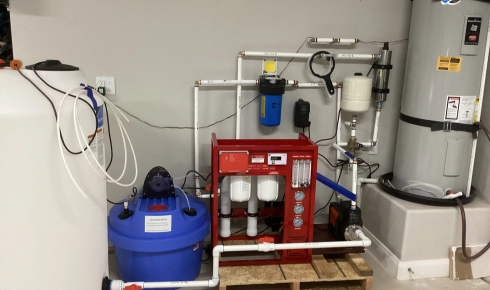
If you’re tired of the occasional rotten egg smell, there are several practical solutions. Water treatment systems designed to reduce hydrogen sulfide can make a significant impact. Activated carbon filters, aeration systems, and oxidation-based filters are common options that effectively remove sulfur and improve taste.
For those relying on well water, regular maintenance is critical. Flushing the well periodically, disinfecting it when needed, and checking for iron bacteria can all reduce odors. In municipal systems, the local utility often manages sulfur levels, but some homeowners still install point-of-use filtration for peace of mind.
Personally, I started with a simple under-sink filter. It didn’t eliminate the odor entirely but noticeably improved drinking water and cooking water quality. Later, I upgraded to a whole-house system, and suddenly my showers, laundry, and appliances no longer carried that faint sulfur scent. It was a small change with surprisingly big daily benefits.
Hot Water and Odor Amplification
You may have noticed that the smell is worse in hot water. This is because heating water releases hydrogen sulfide gas, which intensifies the odor. Water heaters with older anode rods or sediment buildup can exacerbate the problem. In many cases, replacing the anode rod or flushing the tank can significantly reduce sulfur smells in hot water.
I remember inspecting my water heater after noticing a strong smell in the shower. A quick flush and a new anode rod reduced the odor dramatically. It’s a simple step, but one many people overlook. Combining this maintenance with a filtration system can practically eliminate sulfur odors entirely.
Seasonal Changes in Water Quality
Florida’s water isn’t constant; it fluctuates with rainfall, temperature, and groundwater movement. After heavy storms, surface water can carry more organic matter, temporarily increasing sulfur concentrations. During dry spells, groundwater may have higher concentrations of dissolved minerals, also impacting smell and taste.
This seasonal variation explains why some residents report that the water smells fine during certain times of year and then suddenly seems worse. Understanding this natural rhythm helps set expectations and guides appropriate interventions. Sometimes the solution is patience, and sometimes it’s filtration.
Tips for Improving Water at Home
If you want to reduce odors and improve water quality, here are some practical tips:
- Install a Filtration System – Activated carbon or whole-house filters are effective at removing sulfur and improving taste.
- Maintain Your Water Heater – Flush the tank and replace the anode rod if necessary.
- Flush Pipes Regularly – Running taps for a few minutes can clear stagnant water and reduce odors.
- Test Your Water – Understanding mineral content and hydrogen sulfide levels can help you choose the right system.
Even small changes can make a noticeable difference in everyday life, from drinking water to cooking and laundry.
When to Consult Professionals
While most sulfur odors are harmless, there are times when professional advice is warranted. If your water is discolored, cloudy, or has an unusually strong smell, a certified water specialist can test for contaminants, recommend filtration systems, and ensure your water is safe.
I’ve learned that local professionals are invaluable. They know Florida’s unique water profile, including regional differences in sulfur content and mineral levels. Consulting an expert saved me months of trial-and-error and gave peace of mind that my water was both safe and pleasant.
Embracing Florida’s Water
It’s easy to see sulfur-smelling water as a nuisance, but it’s also part of Florida’s natural environment. Limestone-rich soil, aquifers, and organic matter all interact to create water with a distinct character. For those willing to invest a bit in filtration, regular maintenance, or water testing, the daily experience can be transformed.
Understanding why does the water in florida smell and why does florida water smell like sulfur isn’t just academic—it’s empowering. It allows homeowners to make informed choices, protect their plumbing, and enjoy drinking and cooking water without worry.
Personally, accepting the quirks of Florida’s water while taking steps to improve it has made a big difference in everyday life. Small actions like installing filters, flushing pipes, and maintaining water heaters have transformed something once frustrating into something almost unnoticeable—clean, safe, and reliable water throughout the house.
Final Thoughts
Florida’s water can have a noticeable sulfur smell, but for most residents, it’s a natural and harmless feature. Knowing what causes the odor, from hydrogen sulfide to seasonal variations, and implementing simple solutions, can greatly enhance your daily water experience.